晴れた日の森林公園。青い空に、雲が少し。

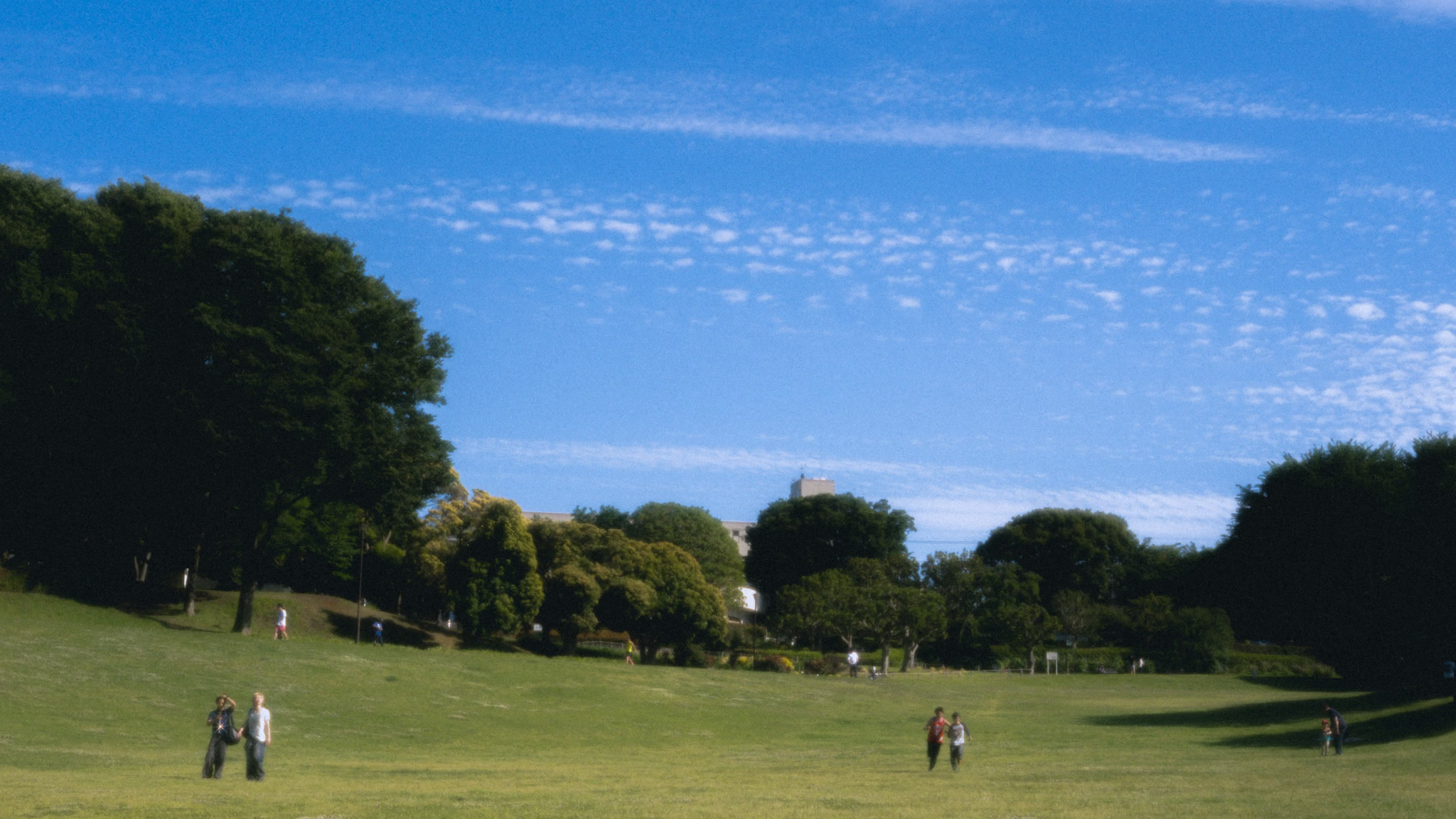

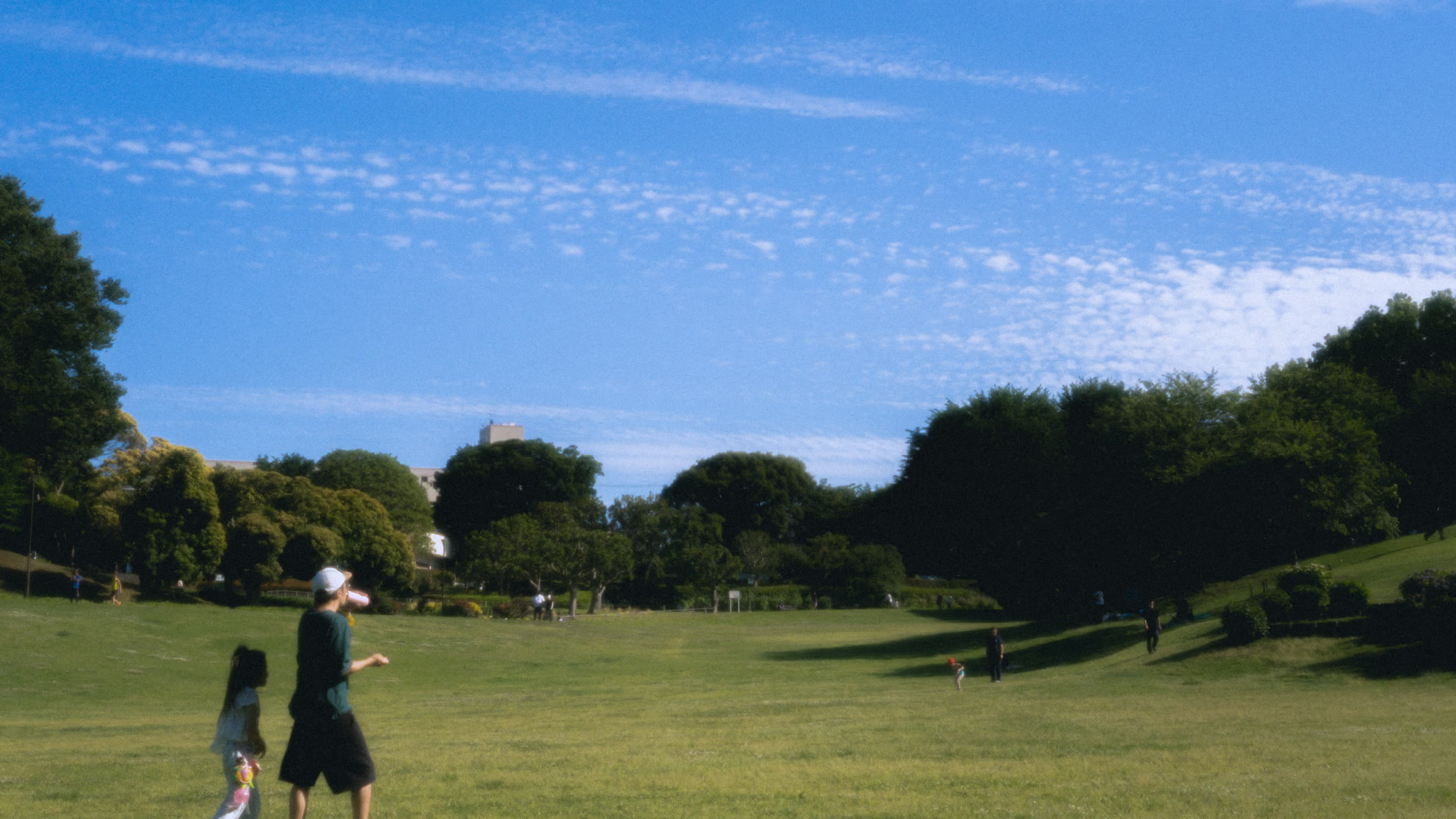

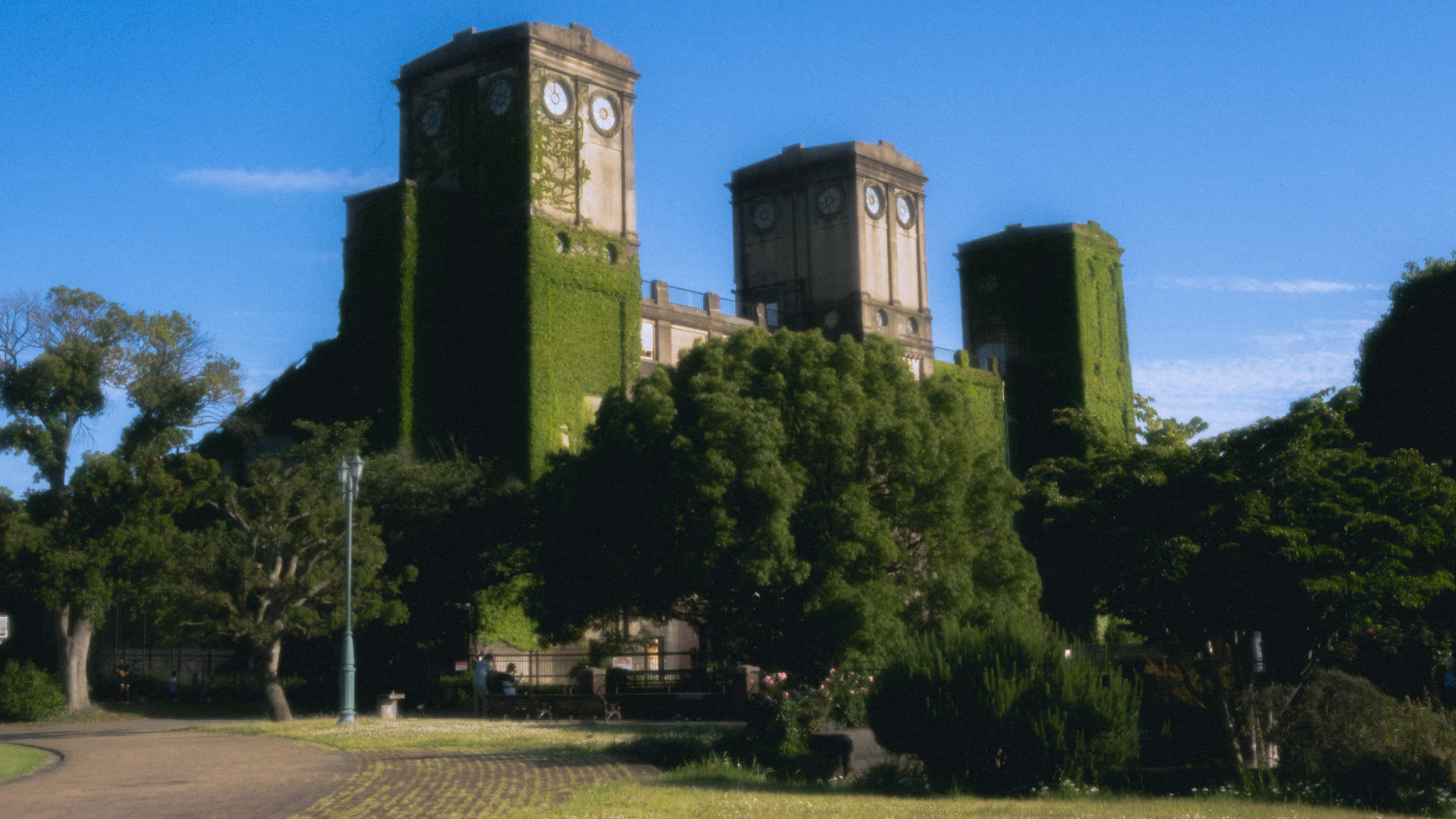

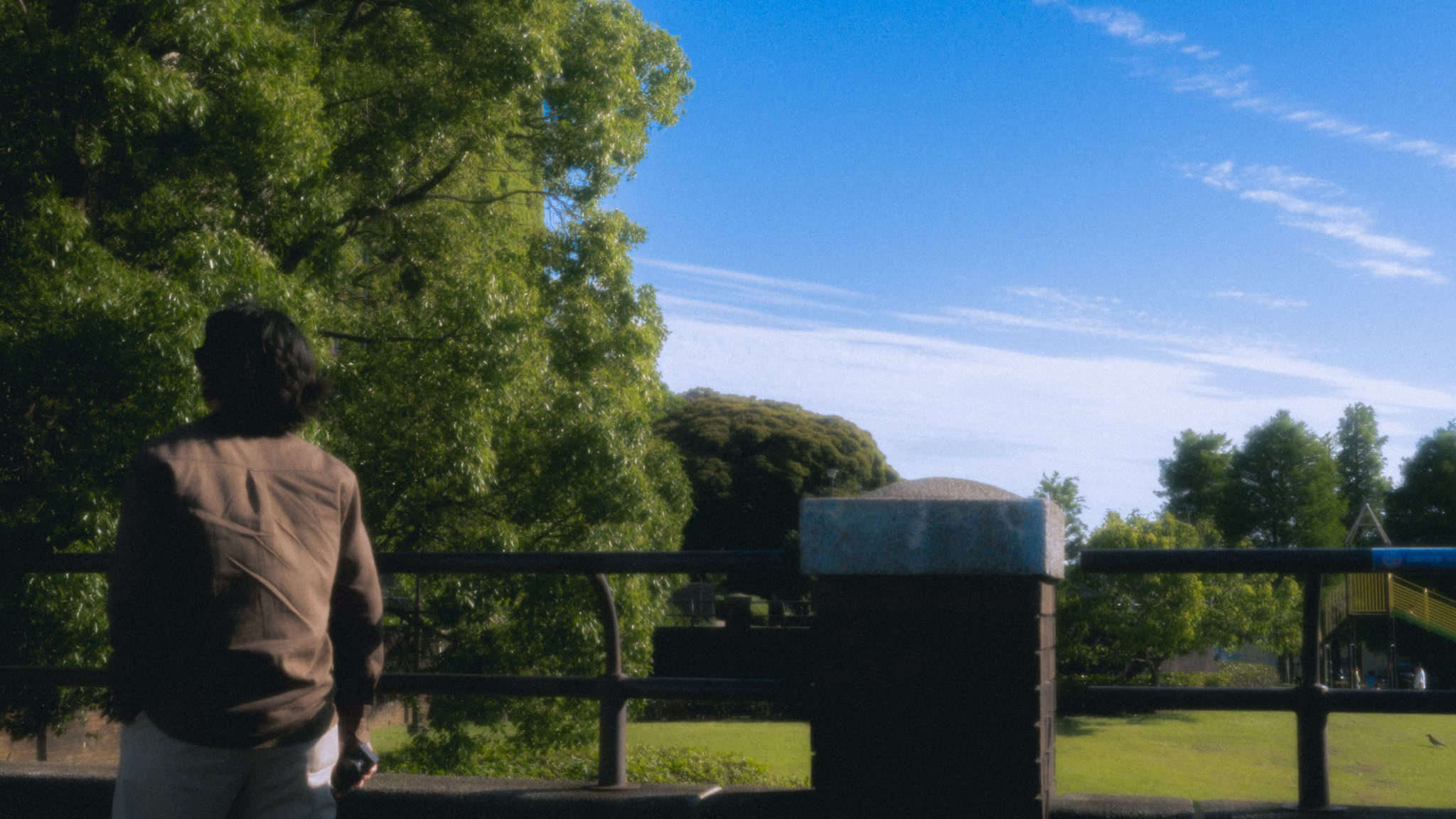
ジョギングをする人。犬と散歩する人。ピクニックをする人。楽しそうに遊ぶ子どもたち。そして、遠くでカラスが鳴いていました。
晴れた日の森林公園。青い空に、雲が少し。
ジョギングをする人。犬と散歩する人。ピクニックをする人。楽しそうに遊ぶ子どもたち。そして、遠くでカラスが鳴いていました。
Shinshu Apple Coffee | ||
 | origin | Brazil 🇧🇷 |
|---|---|---|
| producer | - | |
| roastery | Alps coffee lAb. | |
| process | Fruit Fermentation (Second Natural) | |
| notes | Shinshu apple | |
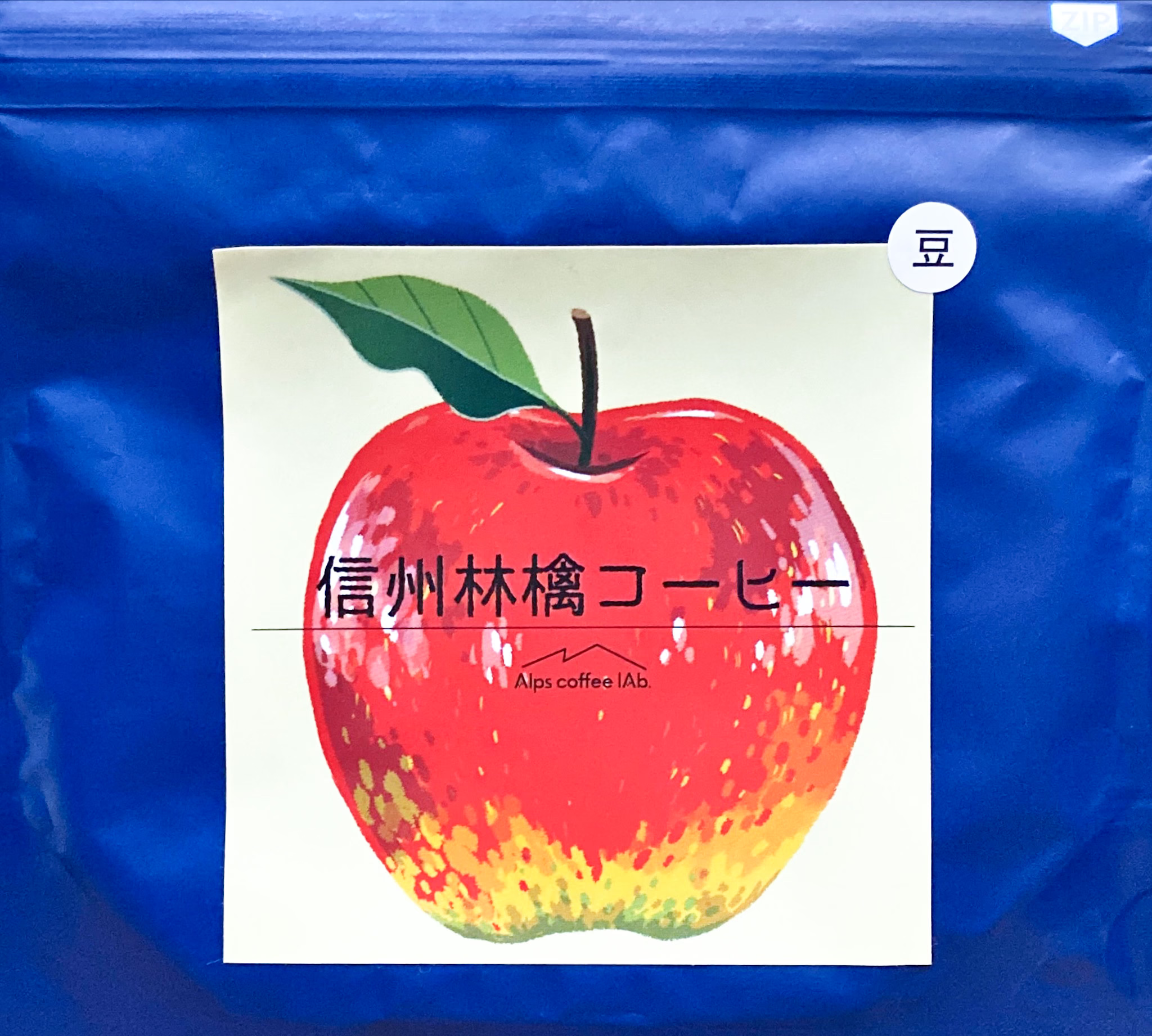
This was one of the coffees my partner brought me back from a family trip to Matsumoto. The bag had an apple picture with a Shinshu Apple Coffee label, and the back said the beans were fermented with Shinshu apples. So it’s apple coffee. When the bag was opened, there was no apple aroma at all. Unusual, because from what I know, co-fermented or infused coffees usually already have a noticeable aroma even before the beans are ground. After brewing it a few times, the apple aroma from this coffee was always subtle. Even swirling the server didn’t make the aroma any clearer or stronger. On the palate, the apple note was subtle too while drinking—the taste stayed consistent from the first sip to the finish—even when it cooled down a bit—but I felt the apple note was more noticeable in the aftertaste. The coffee had a light body, some sweetness, mild acidity, and very little bitterness. There was no complexity. Of course, I brewed this one as iced coffee too—it’s one of the checklists whenever I try new beans. When I made iced coffee, I usually brewed it stronger so it wouldn’t turn watery when the ice was added. This time—before adding the ice—I gave it a sniff and a sip while it was still strong. But the apple note was still subtle. I’ve tried fruit-fermented coffees where the fruit flavor was strong, and some tended to feel artificial. In contrast, this coffee’s fruit-fermentation aroma wasn’t strong, but it wasn’t bad. In fact, it felt just right and was enjoyable—something I could drink every day. The subtle apple note made me wonder if that was intentional—did they use only a little juice, or did the Brazilian beans’ stronger character make the apple less noticeable? I checked the roastery’s website, but I couldn’t find an answer. But I found an interesting fact that the beans are soaked in juice from Shinshu apples that wouldn’t normally make it to market, as part of the roastery’s effort to reduce food waste—something I think is a good initiative. All in all, it’s always nice to know what happens behind the scenes in coffee production—hulu ke hilir—it makes me respect and appreciate the beans more. | ||
Costa Rica Mirazu Catajo Gesha | ||
 | origin | Tarrazú, Costa Rica 🇨🇷 |
|---|---|---|
| producer | Héctor Esteban Sánchez | |
| roastery | hana roastery | |
| process | Raisin Honey | |
| variety | Geisha | |
| notes |
| |
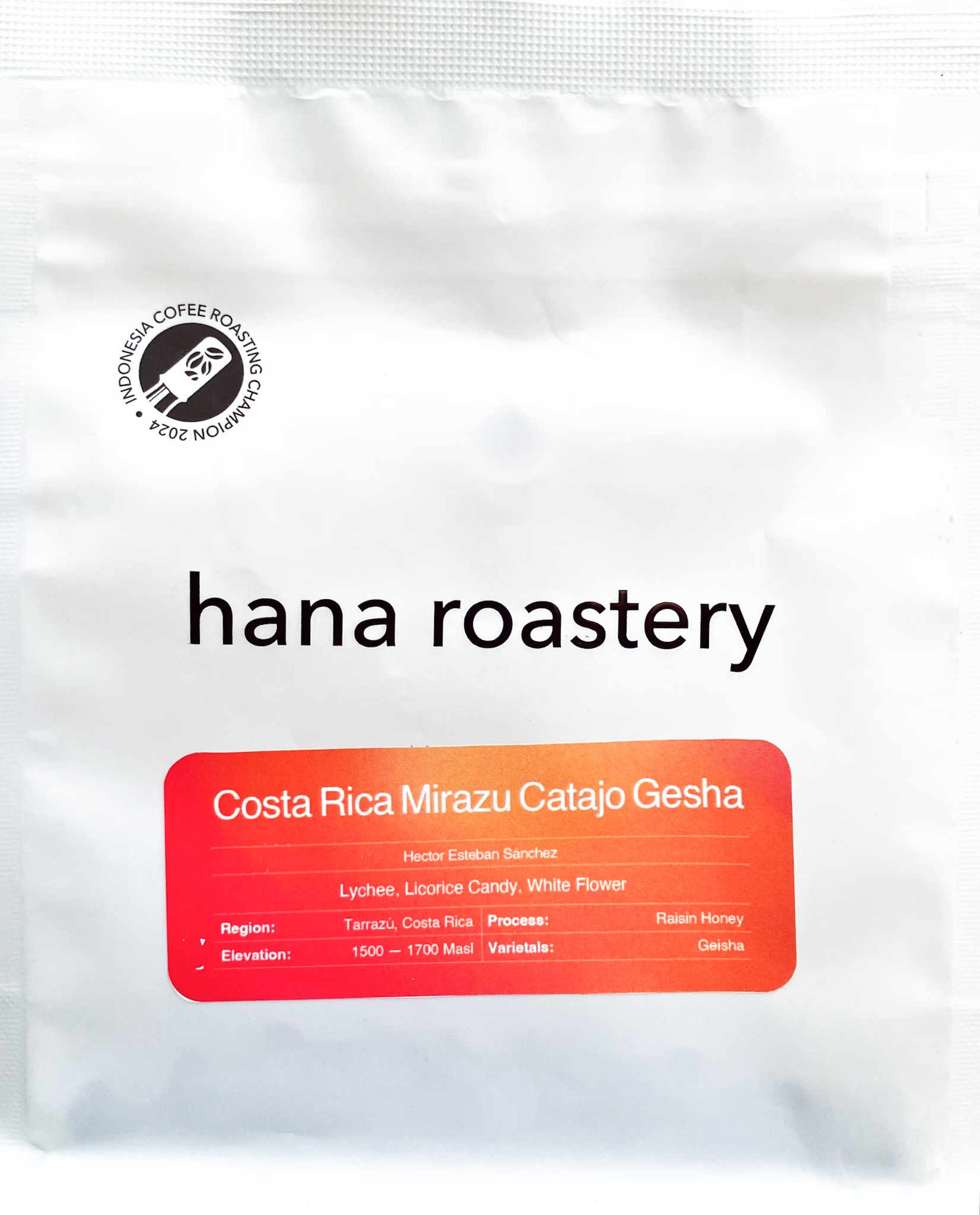
Lychee aroma really hit from the first sniff. As usual, when I swirled the server, the aroma got even stronger—clearly floral too, though I wasn’t sure it was white flower like the listed notes. On the palate, the body felt syrupy, with a long aftertaste—comfortable and pleasant. The lychee stayed pronounced from the first sniff to the last sip. It was quite sweet, with the light acidity lychee has. I caught something else in there too, but I still couldn’t tell what it was by the time the beans ran out. My palate isn’t rich enough yet. I also brewed with a chilling ball… and it felt brighter and cleaner. The trade-off was that sweetness weakened, and the syrupy body thinned. All in all, another interesting coffee from Costa Rica. I got a chilling ball around the time I had these beans because I was curious what it could bring out as an alternative to ice. Technically, both bring the aroma out more, lean the palate toward acidity, and soften the body a bit. But the chilling ball works better for me because it doesn’t make the coffee watery. From now on, the chilling ball will be part of my brewing experiments. The Icosa server already helps bring the aroma out when I swirl it—and pairing it with the chilling ball could bring out even more. | ||

Costa Rica El Diosa | ||
 | origin | Tarrazú, Costa Rica 🇨🇷 |
|---|---|---|
| producer | - | |
| roastery | Herd Coffee Roaster | |
| process | Yeast Washed | |
| variety | Geisha | |
| notes |
| |
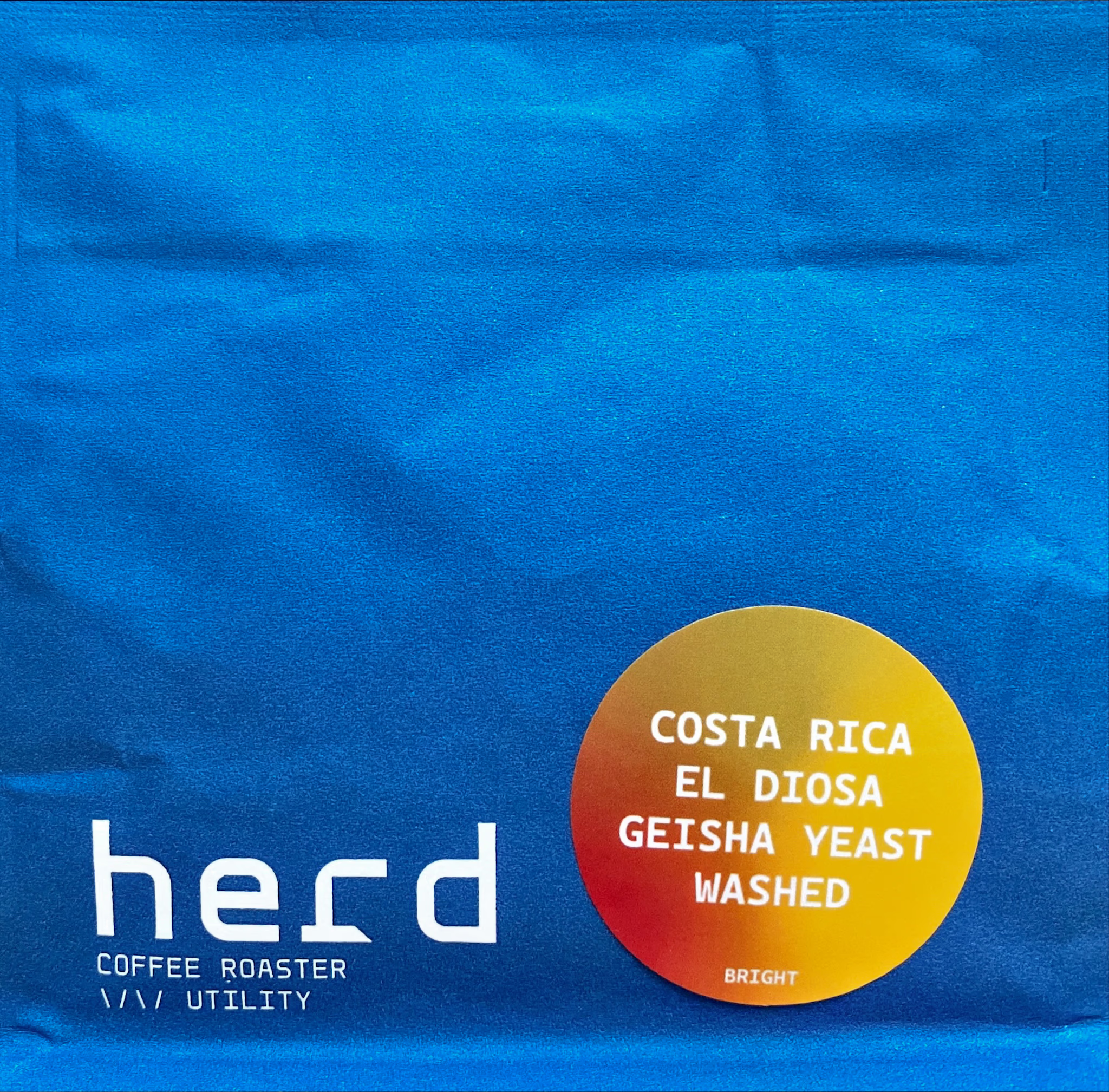
I bought these beans not just because they’re from Costa Rica, but also because osmanthus was one of the listed notes. I know osmanthus scent so well. It’s one of the most pleasant scents to me, and it always takes me back to the smell of autumn in Japan. Sniffed the aroma… it was fairly floral and reminded me of Costa Rica Mozart—perhaps because of the same origin. While brewing, I also caught a bit of vanilla—similar to the aroma I got when brewing El Diviso Sidra. On the palate, there was light acidity at the start, then light brown sugar. Even brewed as an iced pour-over, the acidity stayed light. Sometimes I could taste a bit of vanilla too—though I caught it more in the aroma while brewing than on the palate. And about osmanthus… it wasn’t really that pronounced here. I even tried changing the brew variables each time to bring out more osmanthus aroma. But I got it… I got the osmanthus sentiment here… it just wasn’t a highlight—unfortunately. And what surprised me—when the coffee got slightly cooler, the pear note really came through. | ||
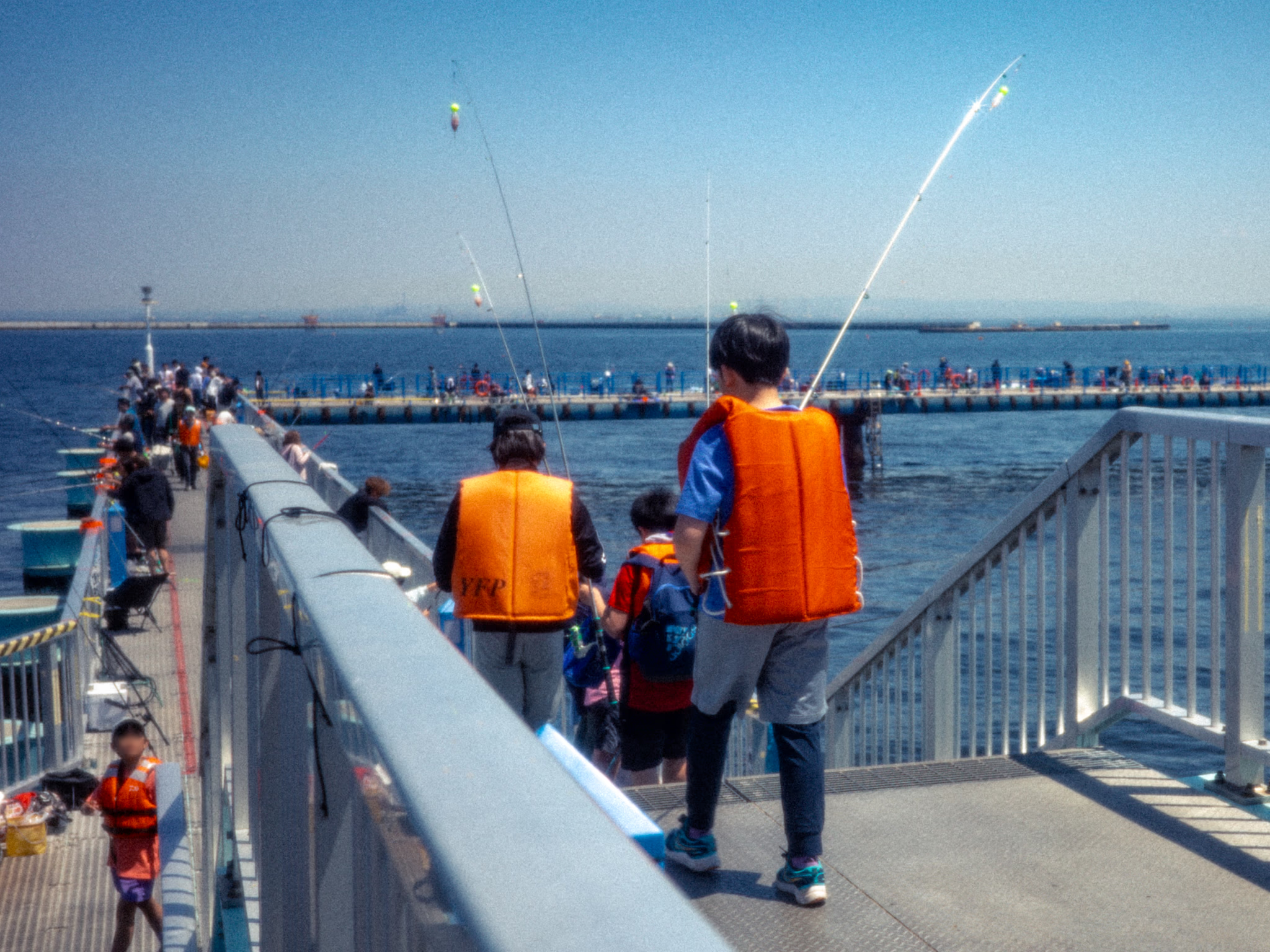
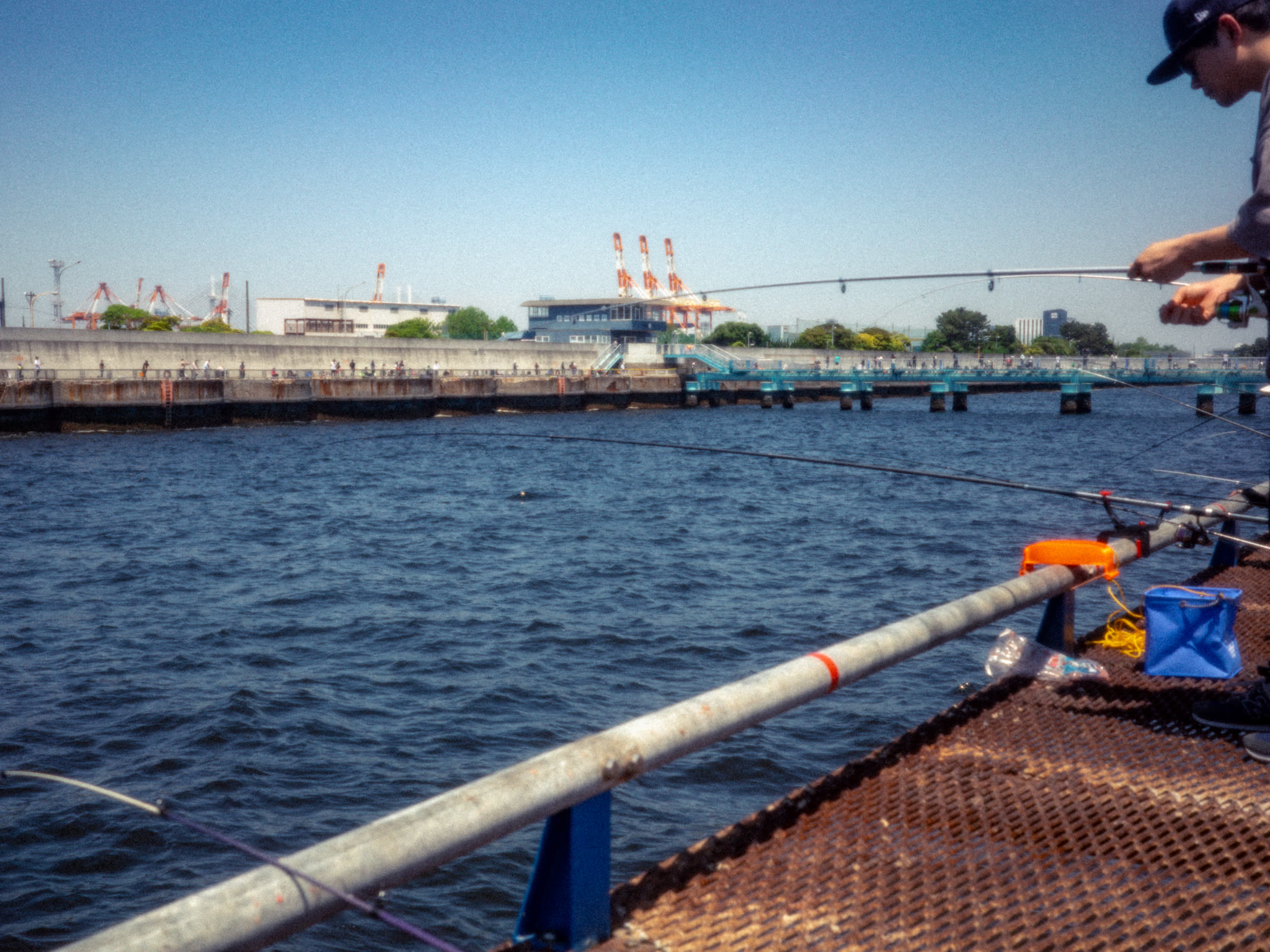
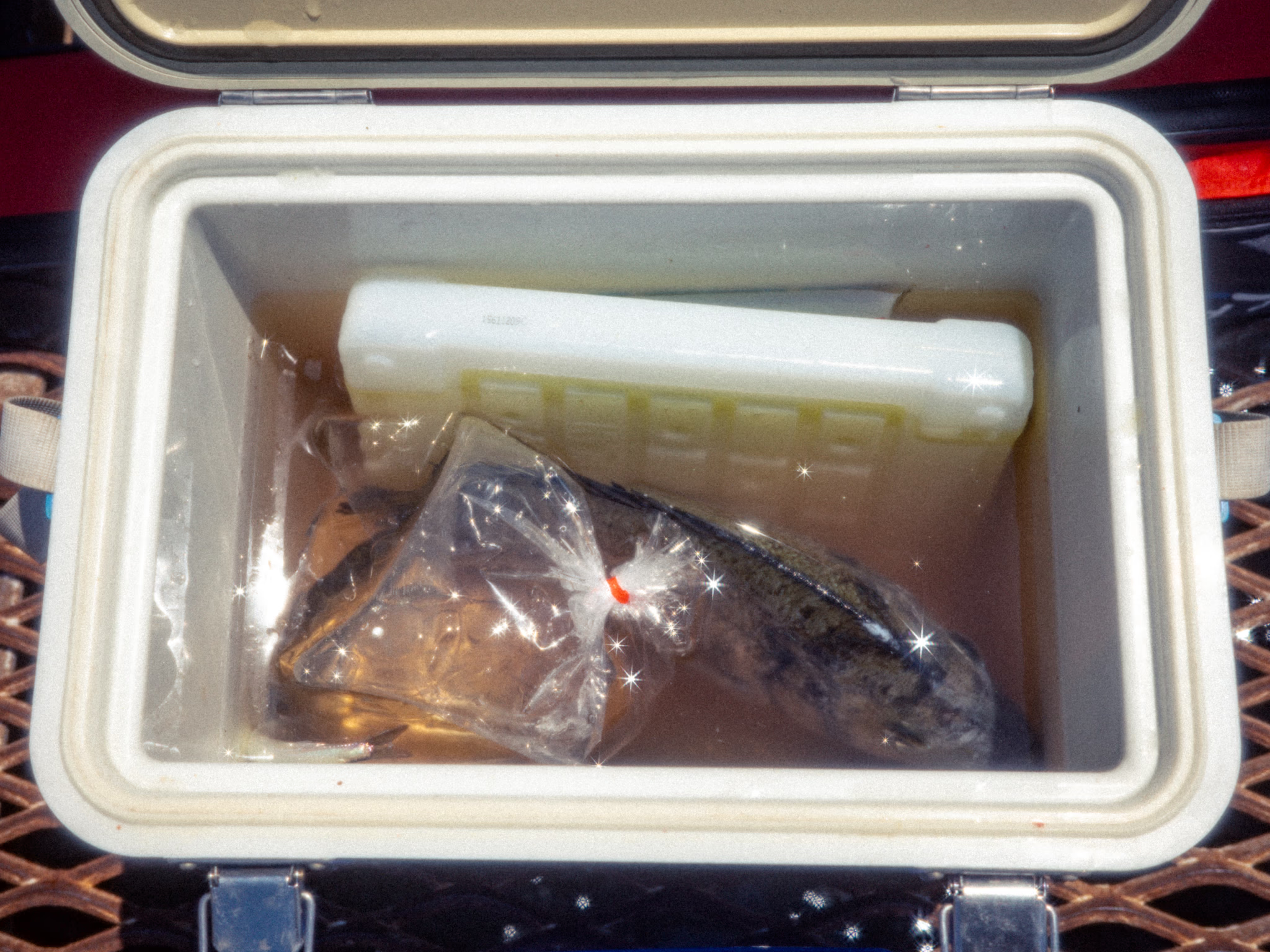
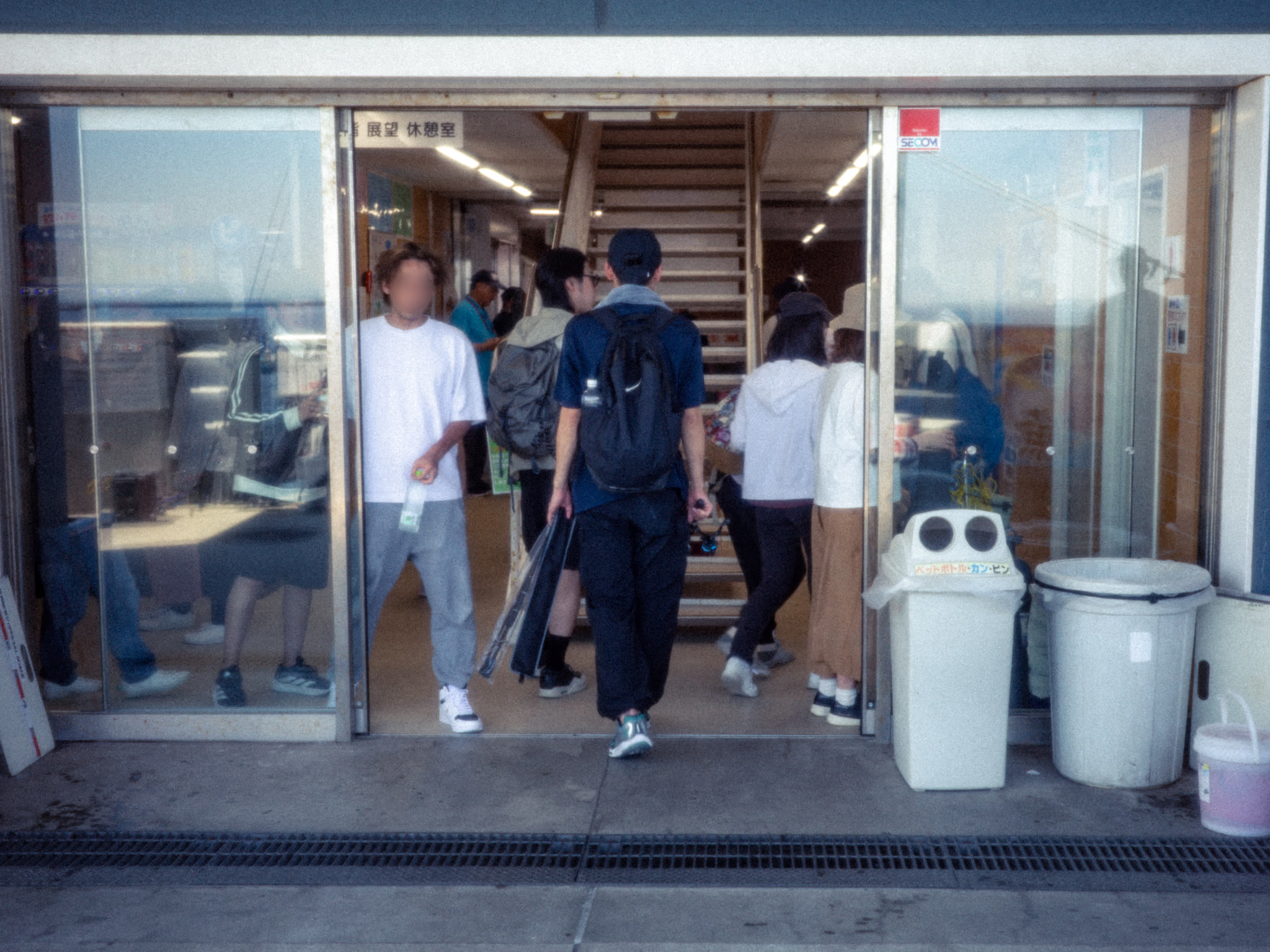
海で釣りをするのは、初めてでした。前に釣りをした場所は、池や川だけです。釣りをするのも久しぶりでした。
とても楽しかったです。そして、とてもいい天気でした(暑い!)。

Costa Rica Mozart | ||
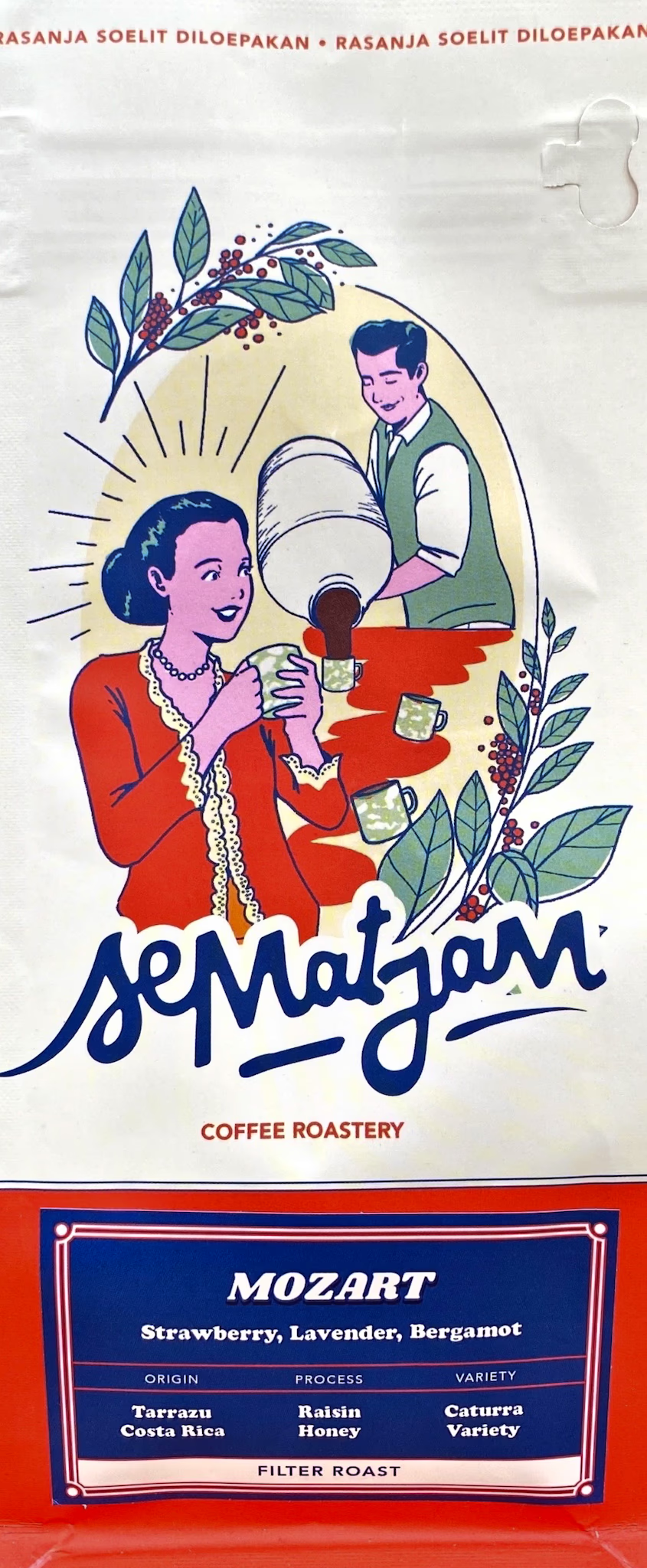 | origin | Tarrazú, Costa Rica 🇨🇷 |
|---|---|---|
| producer | - | |
| roastery | Sematjam Coffee Roastery | |
| process | Raisin Honey | |
| variety | Caturra | |
| notes |
| |
The aroma already hit as soon as I opened the bag—and even stronger when I ground the beans. Like an infused or co-fermented bean, but it wasn’t! Strawberry hit clearly, with lavender dominating—so floral and tea-like. When I swirled the server, the lavender became even more obvious. Every time I brewed these beans, I kept swirling just to sniff the lavender and strawberry before drinking. From the aroma, I could already tell lavender and strawberry would dominate the first sip—and indeed they did! The journey started like drinking tea, but it ended with something more coffee-like. Though if I brewed it with the same pouring interval but a lower temperature like 85–88°C, it stayed tea-like all the way through, with no coffee taste at all. When I brewed it as an iced pour-over, the aroma and taste became more pronounced—so fresh. The acidity was more noticeable too. I see now why this bean is named Mozart. The aroma… the taste… really were classic and elegant (even though I learned that’s not the real reason behind the name). And I brewed this for a few people—they were surprised and liked it. Also, these beans were easy to brew—the listed notes were easy to bring out—just like the other Costa Rica beans I’ve had. And what stays with me is the aroma—so memorable. It always left the room smelling like lavender—not the usual coffee smell. Especially pleasant when the room was cool. | ||
Burundi Kayanza | ||
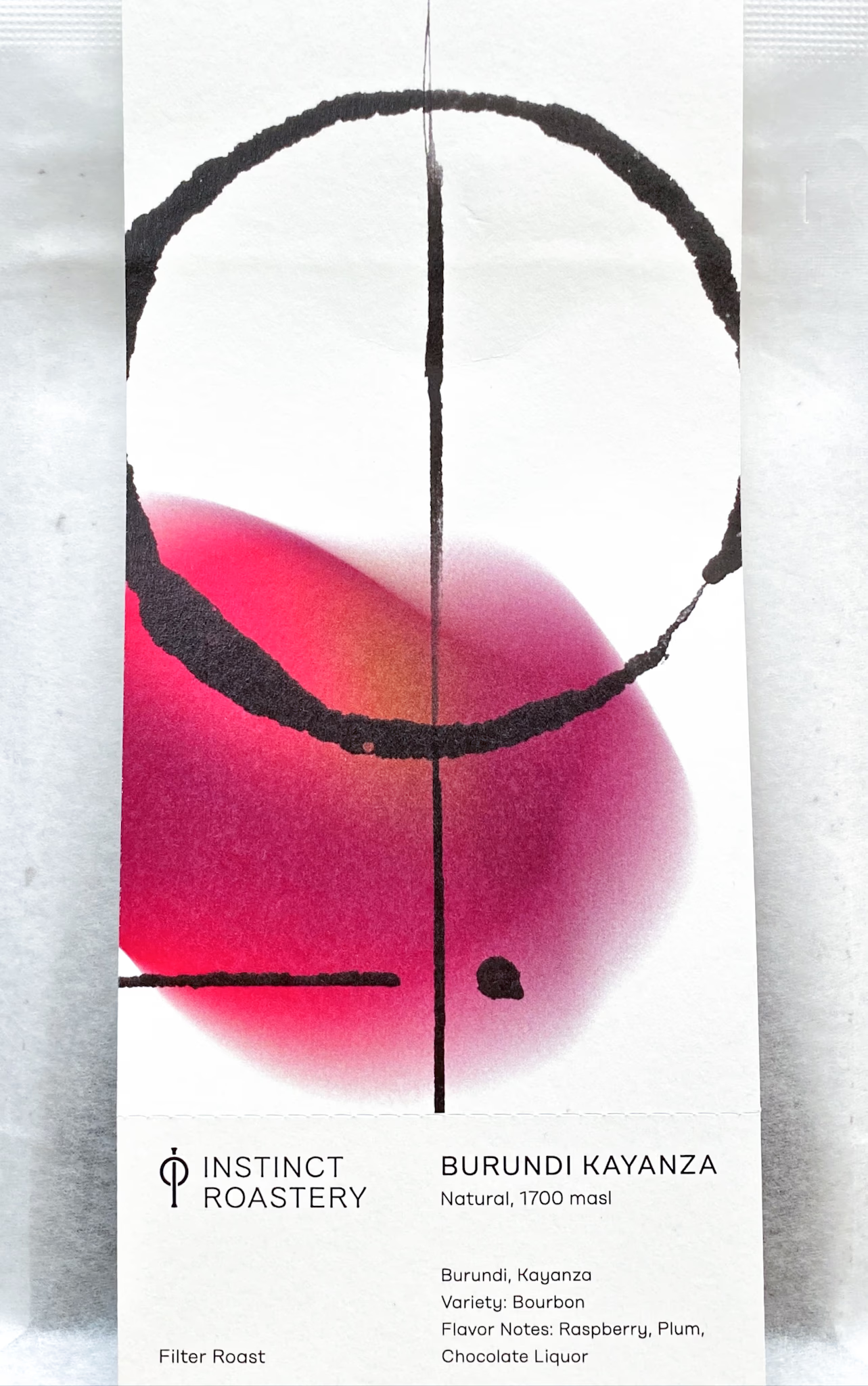 | origin | Kayanza, Burundi 🇧🇮 |
|---|---|---|
| producer | Long Miles | |
| roastery | Instinct Roastery | |
| process | Natural | |
| variety | Bourbon | |
| notes |
| |
The aroma felt balanced. The chocolatey side and the floral side came through together. When I swirled the server, I could sniff the floral aroma more clearly. I only brewed these hot. The cup started with acidity, then a kind of plum hit the palate. Later, the flavor turned drier—like raisin—and finished sweet, with a touch of dark chocolate. The contrast was interesting… I didn’t try brewing these beans as an iced pour-over while I had them. If I get to have these beans again, that’s the first thing I’d try. | ||
Ethiopia Gigesa | ||
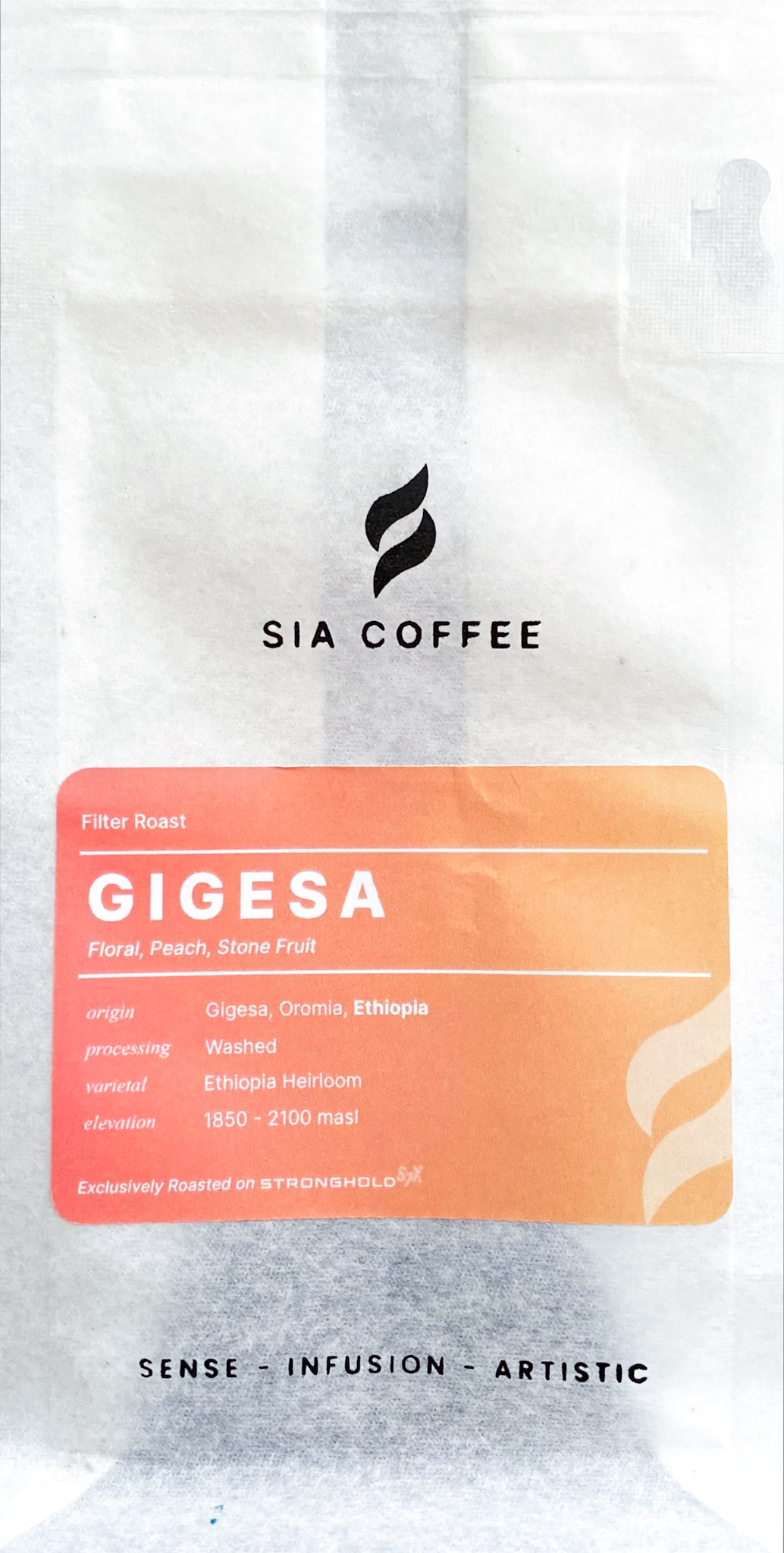 | origin | Guji, Oromia, Ethiopia 🇪🇹 |
|---|---|---|
| producer | - | |
| roastery | SIA Coffee | |
| process | Washed | |
| variety | Heirloom | |
| notes |
| |
I thought Gigesa was a kind of Gesha—or a variety derived from it. I was curious and decided to buy it. The aroma was so floral—typical of Ethiopian beans. And there was quite a sweet impression too. Even when I swirled the server, the aroma stayed the same. On the first sip, the peach really hit—so pronounced, with light acidity. Peach remained the main impression from start to finish. But what was interesting—what impressed me—was the aftertaste. It was fresh while the cup was still warm—and even fresher when it got cold. There was another layer too, like eating a sour fruit—perhaps lime(?). I also got lemongrass, and that was the freshest part, the one that caught my attention. These beans left lots of chaff after grinding, so I needed to get rid of the chaff with a blower to get a better brew—less drawdown and better clarity. But I liked the taste after all. So far, these are the Ethiopian beans I’ve liked. Is it related to Gesha? Turns out it’s not. I learned that Gigesa is the name of a washing station in Guji, which collects cherries from around 850 small farmers in the area. | ||
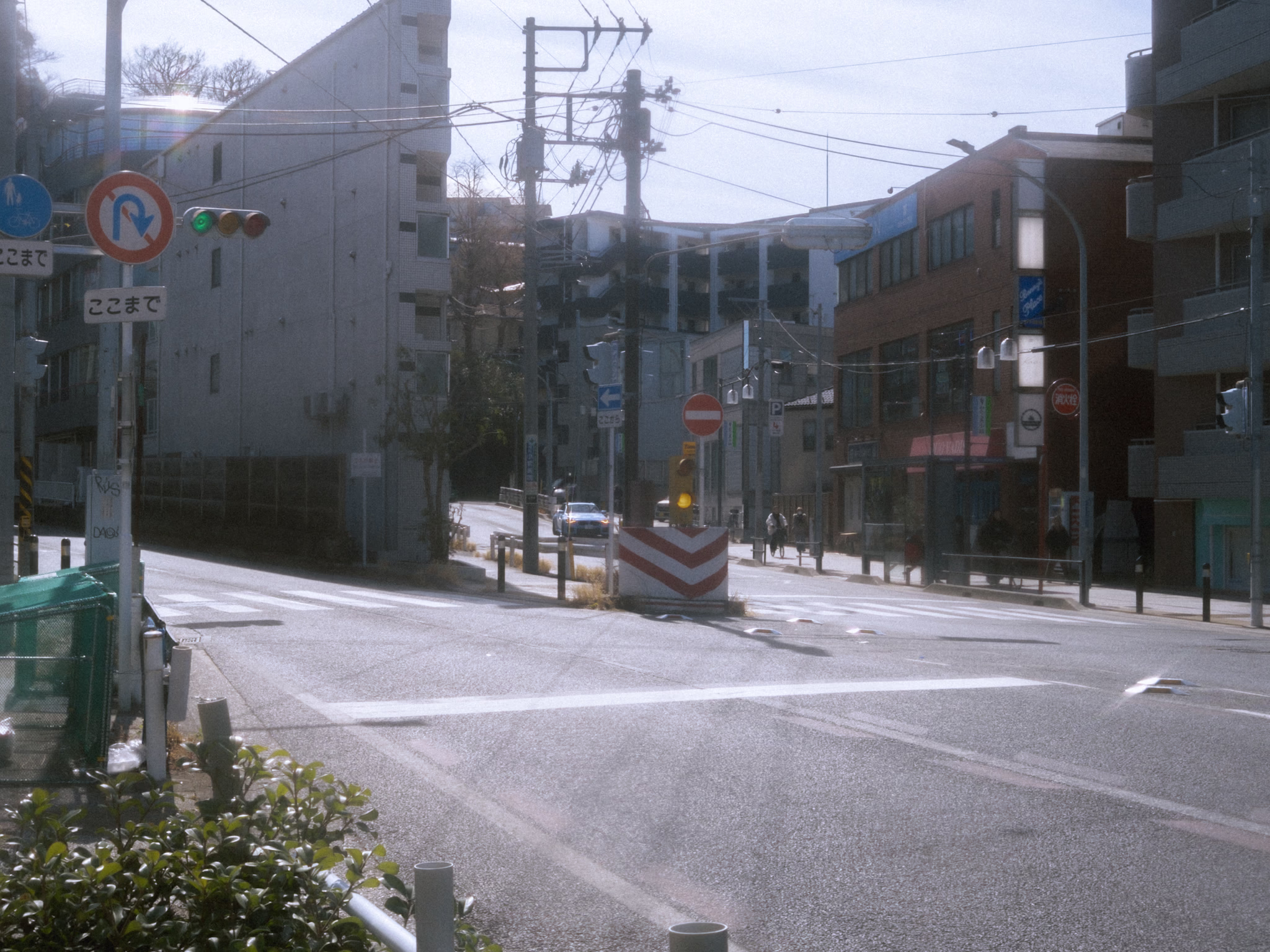
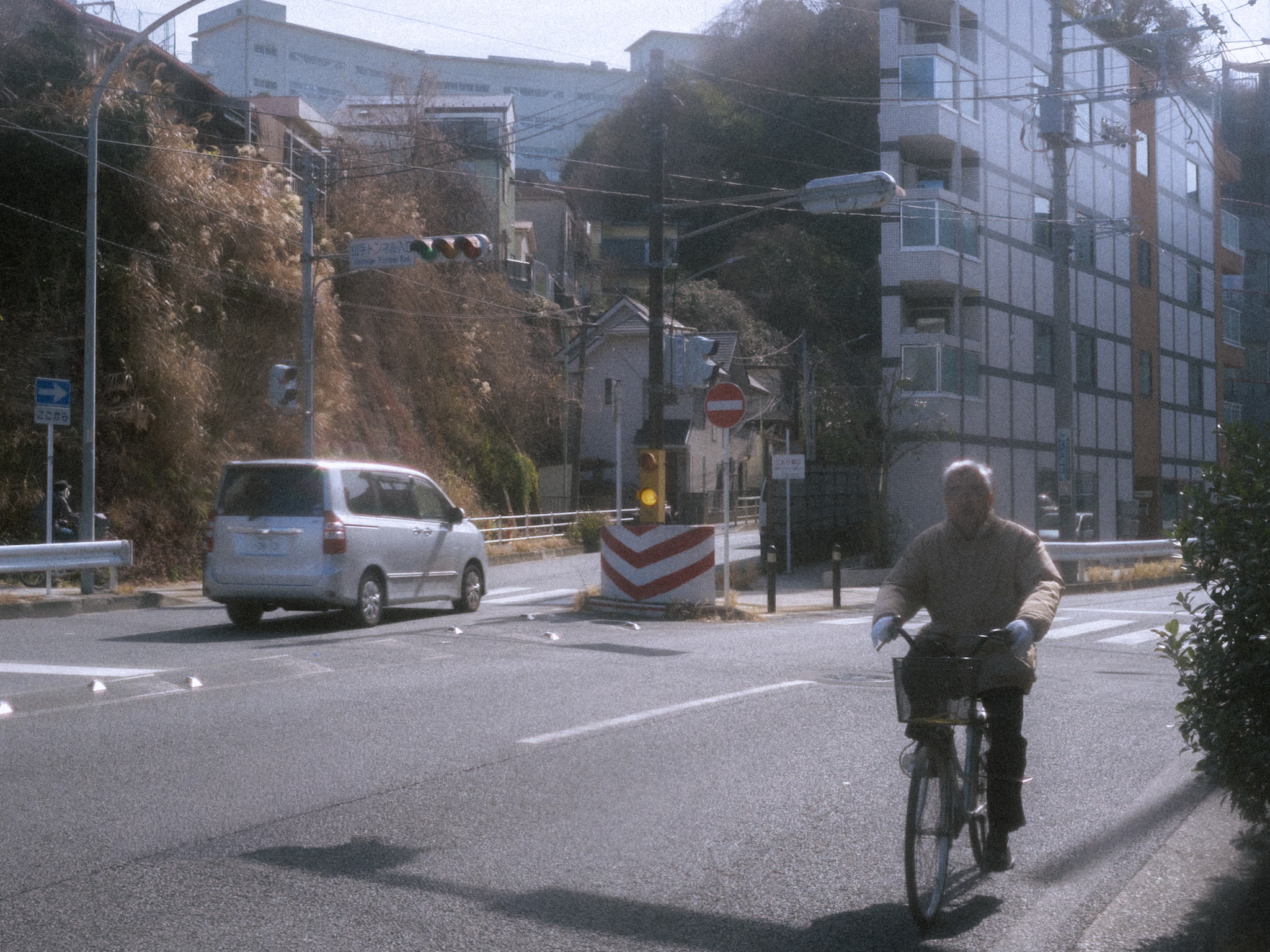
These places aren’t landmarks—not even spots people would photograph. But I visit them every time I’m in Yokohama. I discovered them through two beautiful songs I heard in middle school—songs with music videos set in these exact places.
I remember the first time I visited—I put on my headphones, played both songs, and just stood there for some time—lost in nostalgia until the songs ended. Then I realized I was standing in beautiful places because of those songs—places I once only knew from a screen. I don’t have a word for what this is. People might call it manifestation—something I don’t believe in. Whatever it is… it is—at least to me—sentimental!
Now, every time I visit, even without playing the songs, I still find myself standing there and letting the memories find their way back.
It’s always sentimental Yamatecho.
Bali Karana | ||
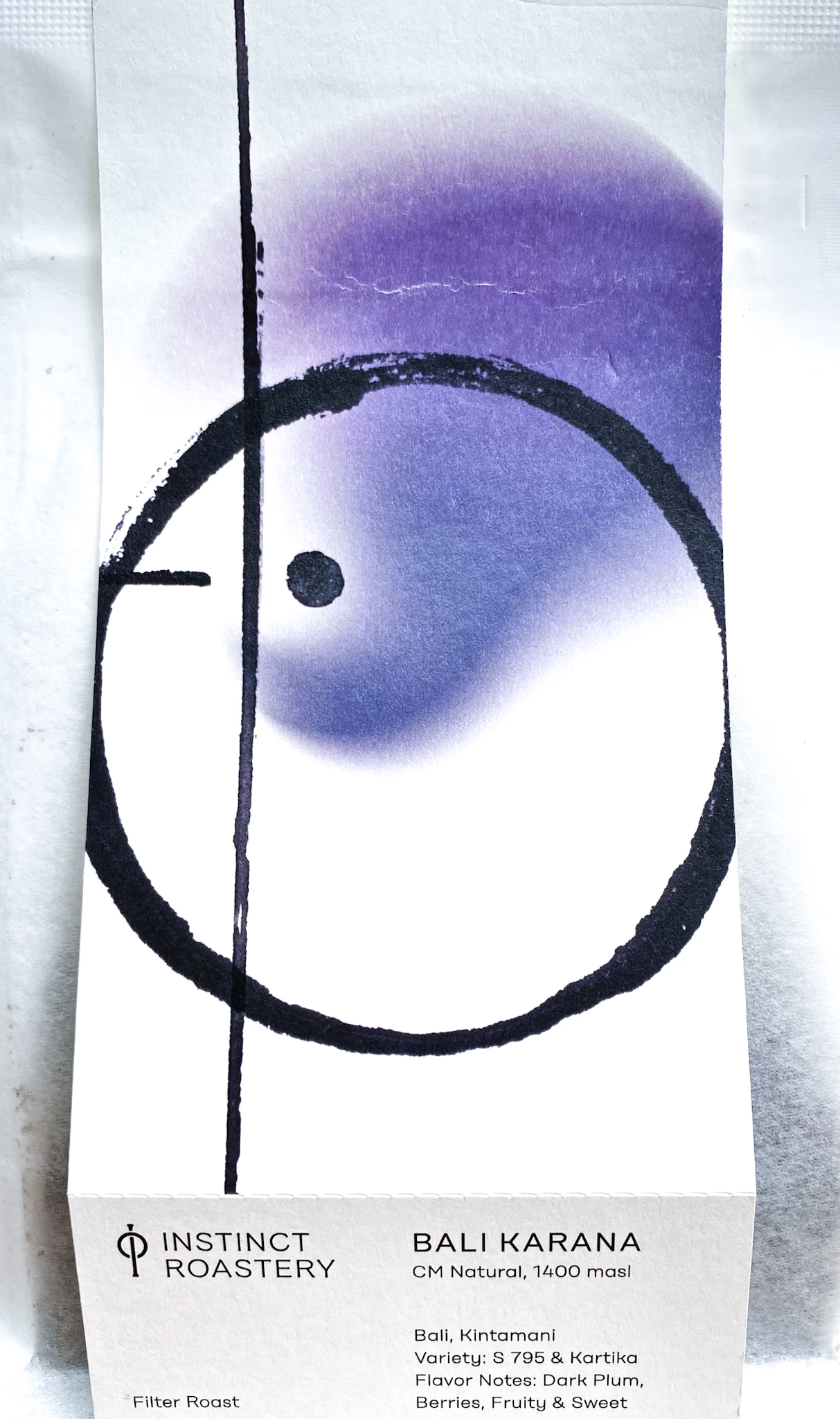 | origin | Kintamani, Bali, Indonesia 🇮🇩 |
|---|---|---|
| producer | - | |
| roastery | Instinct Roastery | |
| process | Carbonic Maceration Natural | |
| variety | S795, Kartika | |
| notes |
| |
The aroma was perhaps grape, perhaps raisin, or something like wine-process beans from Kamojang and Gayo—just not as strong. But I caught a clear hint of grape every time I swirled the server. On the first sip, a dominant citrusy acidity hit, and it was funky fruity. Though I couldn’t really identify the specific fruit notes at first. What was clear was the brown sugar at the end—really pronounced, leaving a sweet impression. Brewed as an iced pour-over, it turned lighter and funkier—so refreshing. | ||
Semendo Finca Ali HSN 120 | ||
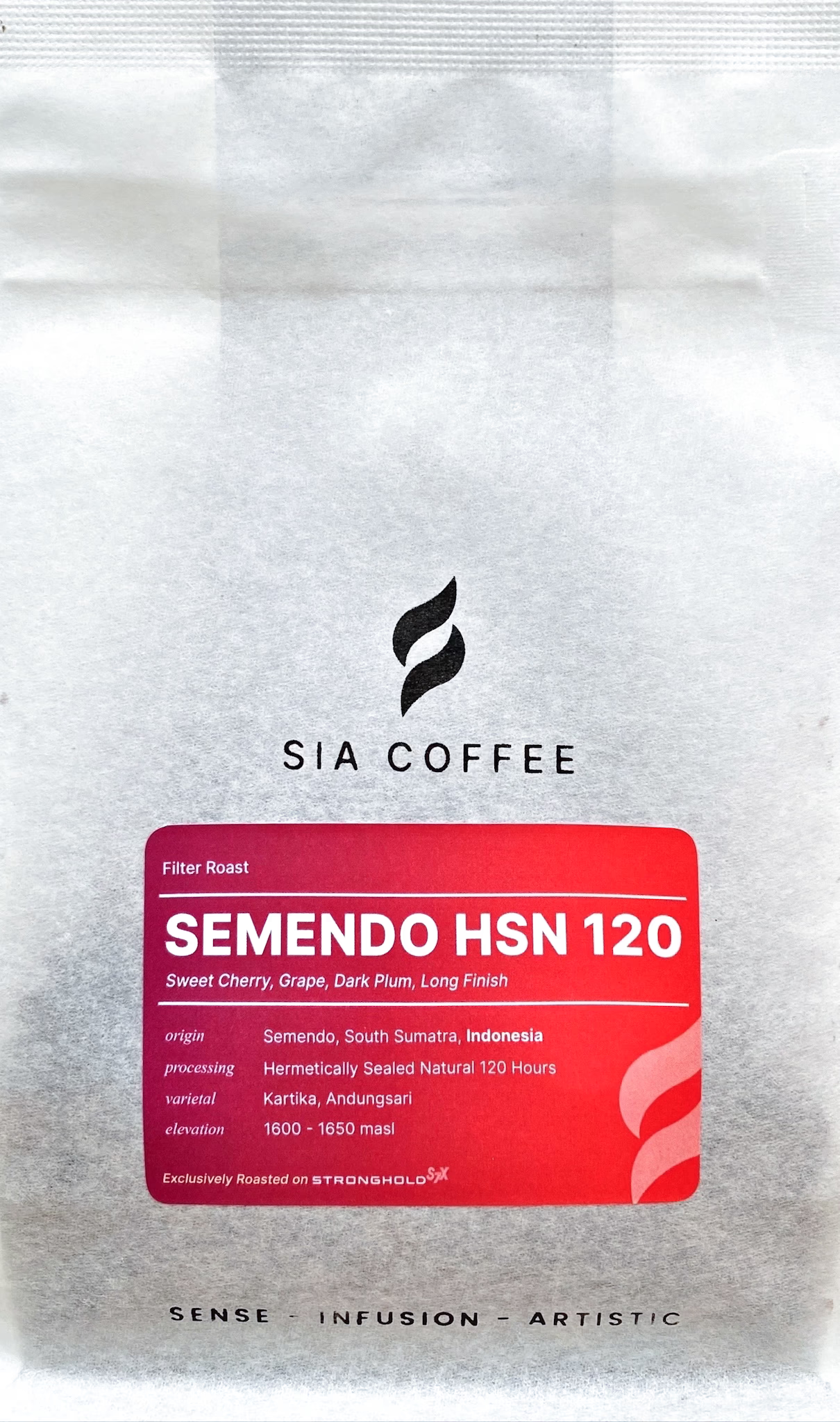 | origin | Semendo Highlands, Indonesia 🇮🇩 |
|---|---|---|
| producer | Curators Coffee Company | |
| roastery | SIA Coffee | |
| process | Hermetically Sealed Natural 120hrs | |
| variety | Kartika Andungsari | |
| notes |
| |
The aroma was soft and floral. I didn’t smell any chocolatey or nutty aroma the whole time I had these beans. It was tea-like. Citrusy acidity dominated. I tasted something familiar from the first sip—and I only realized later it was cherry (the one in the notes)! I rarely eat cherries, so the taste is hard to recall. Funny that this coffee reminded me of what cherry tastes like. At the end, there was grape—not as aroma, but like the aftertaste of eating one. | ||
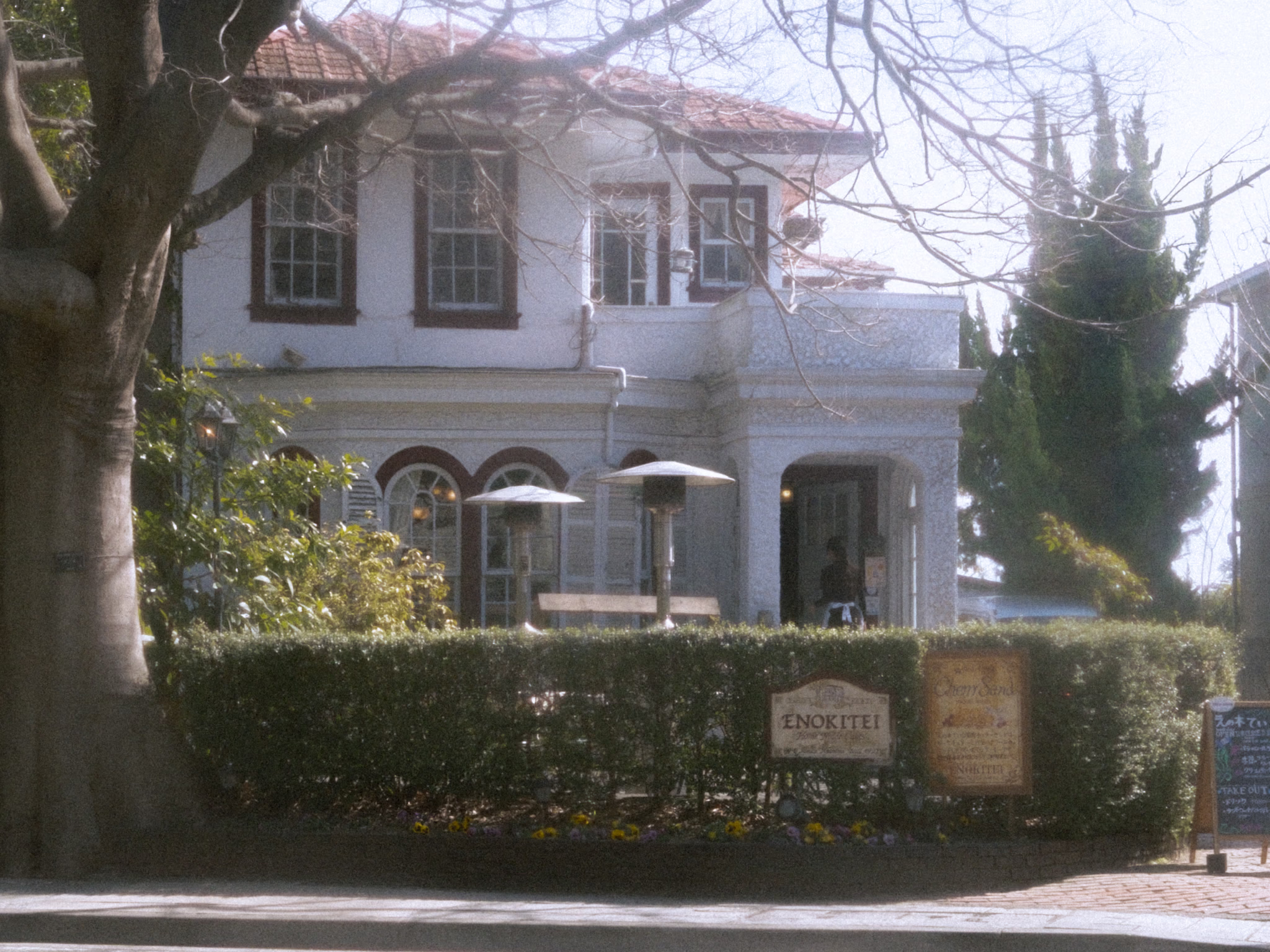
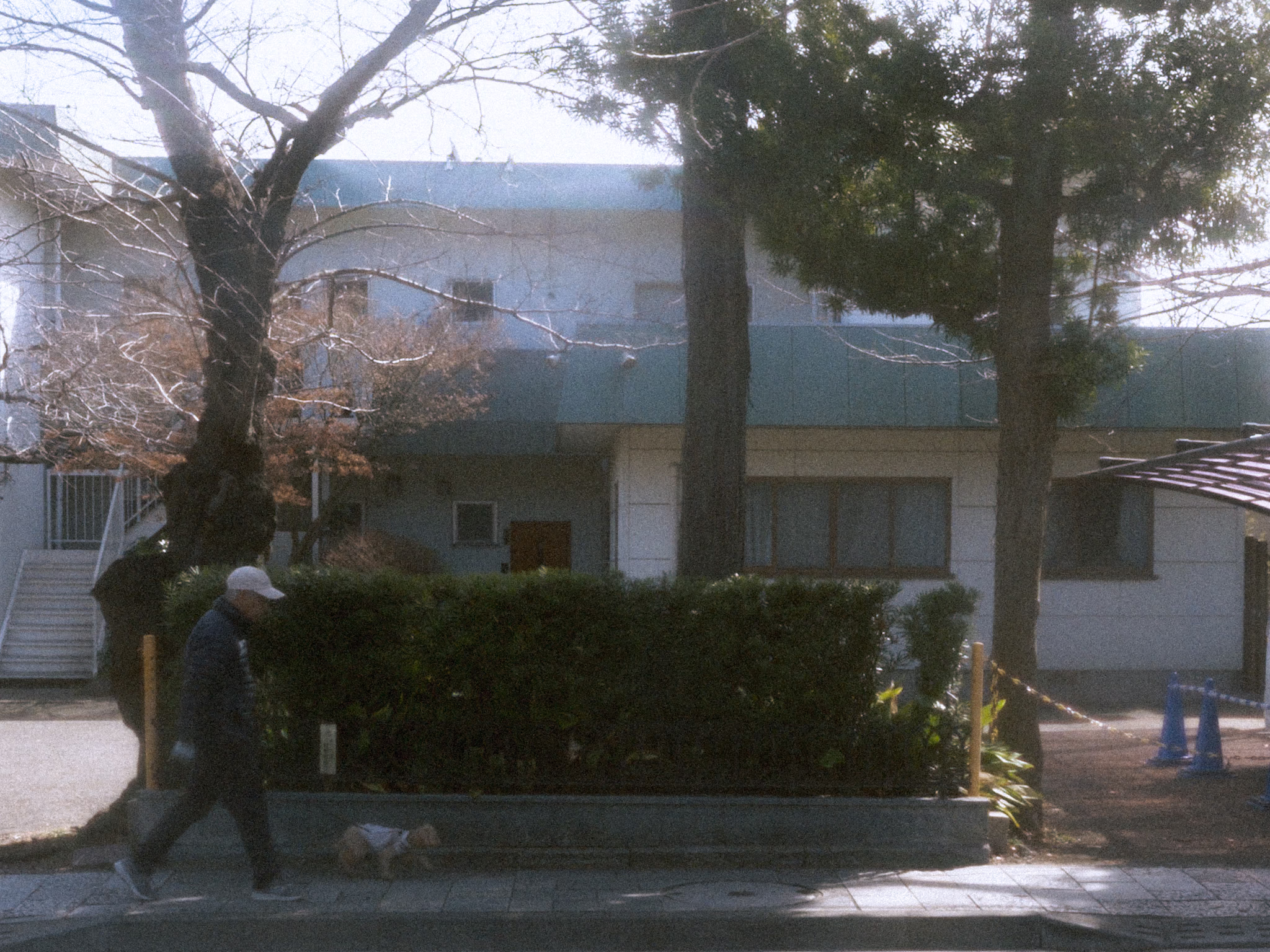
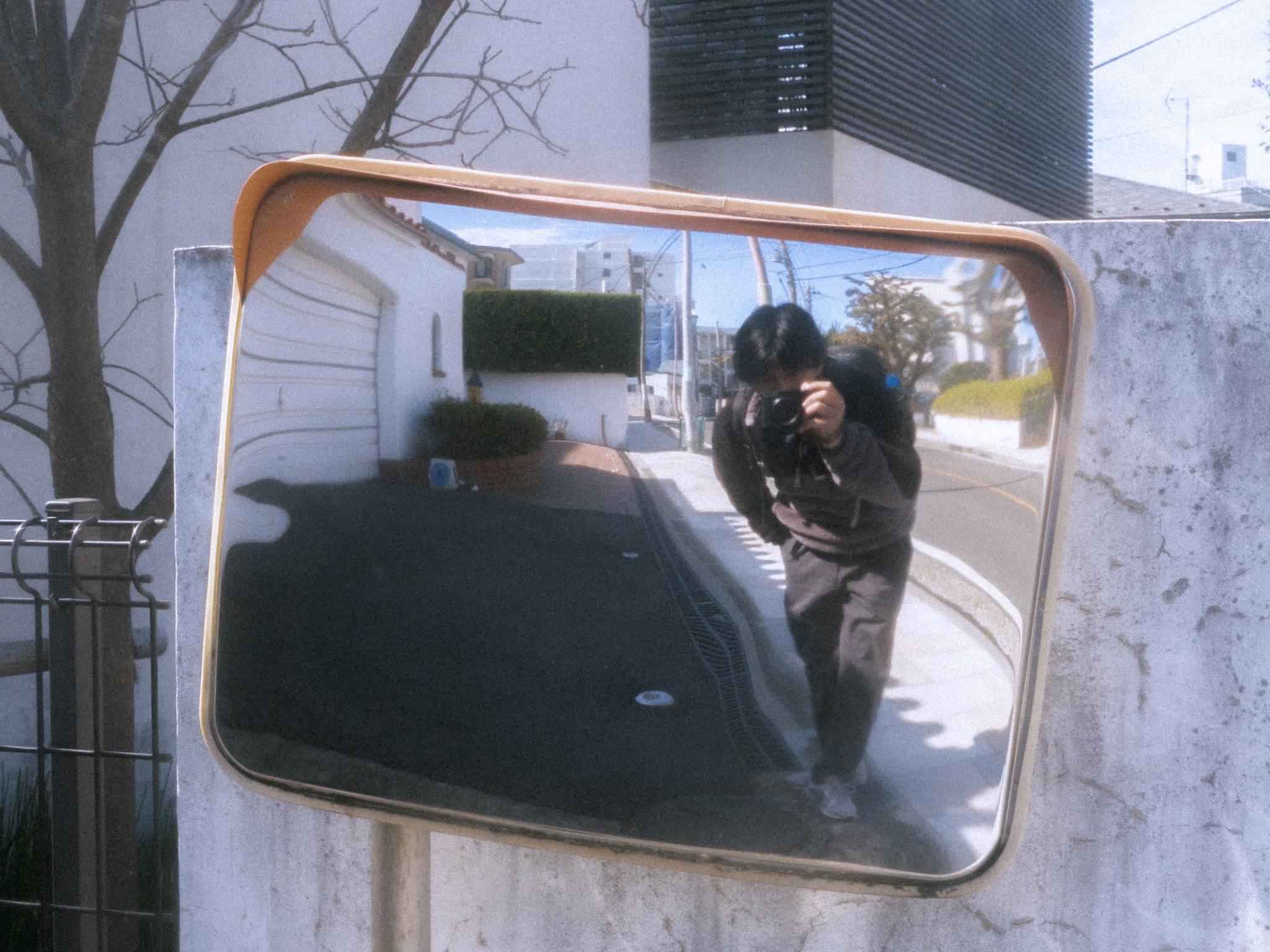
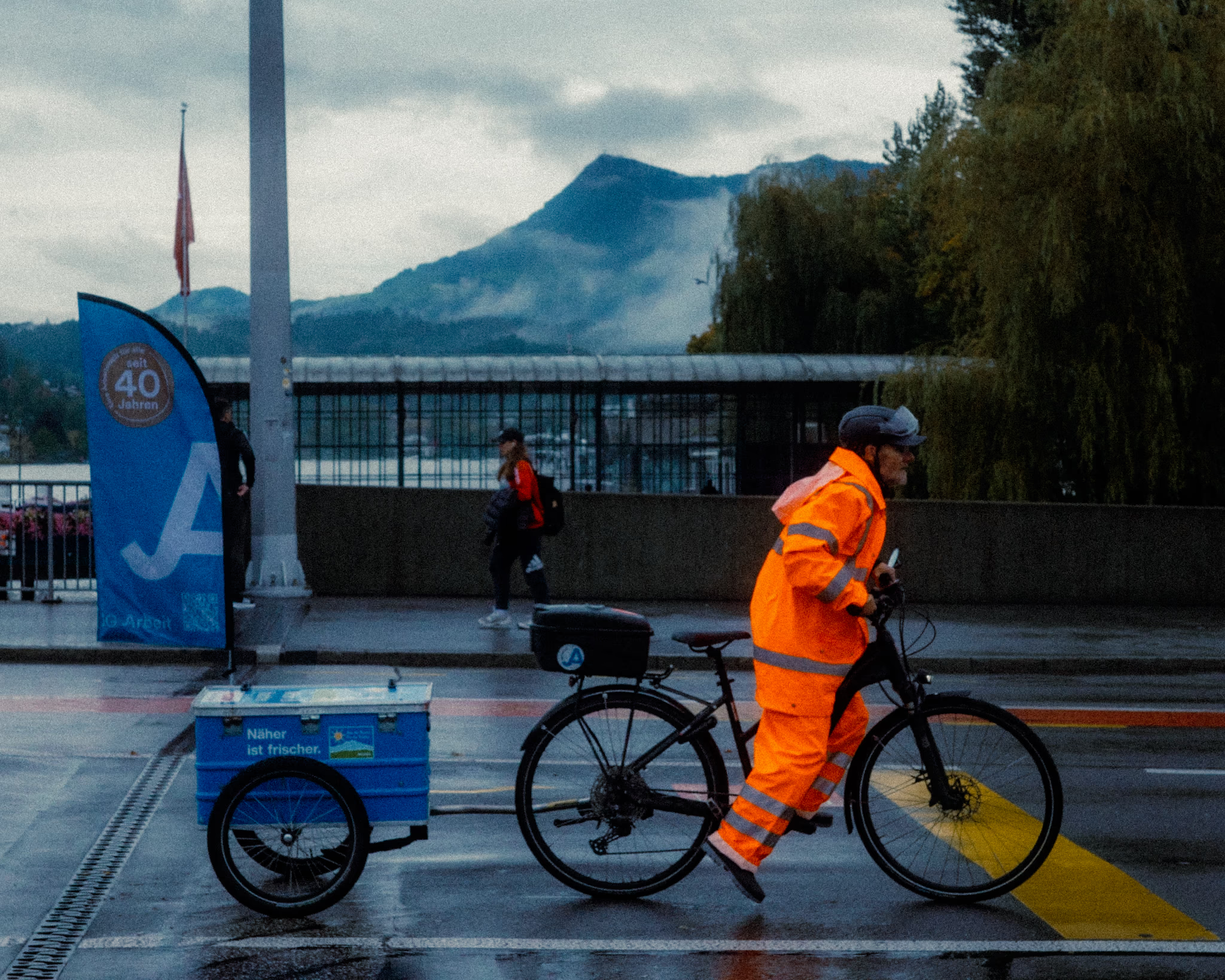
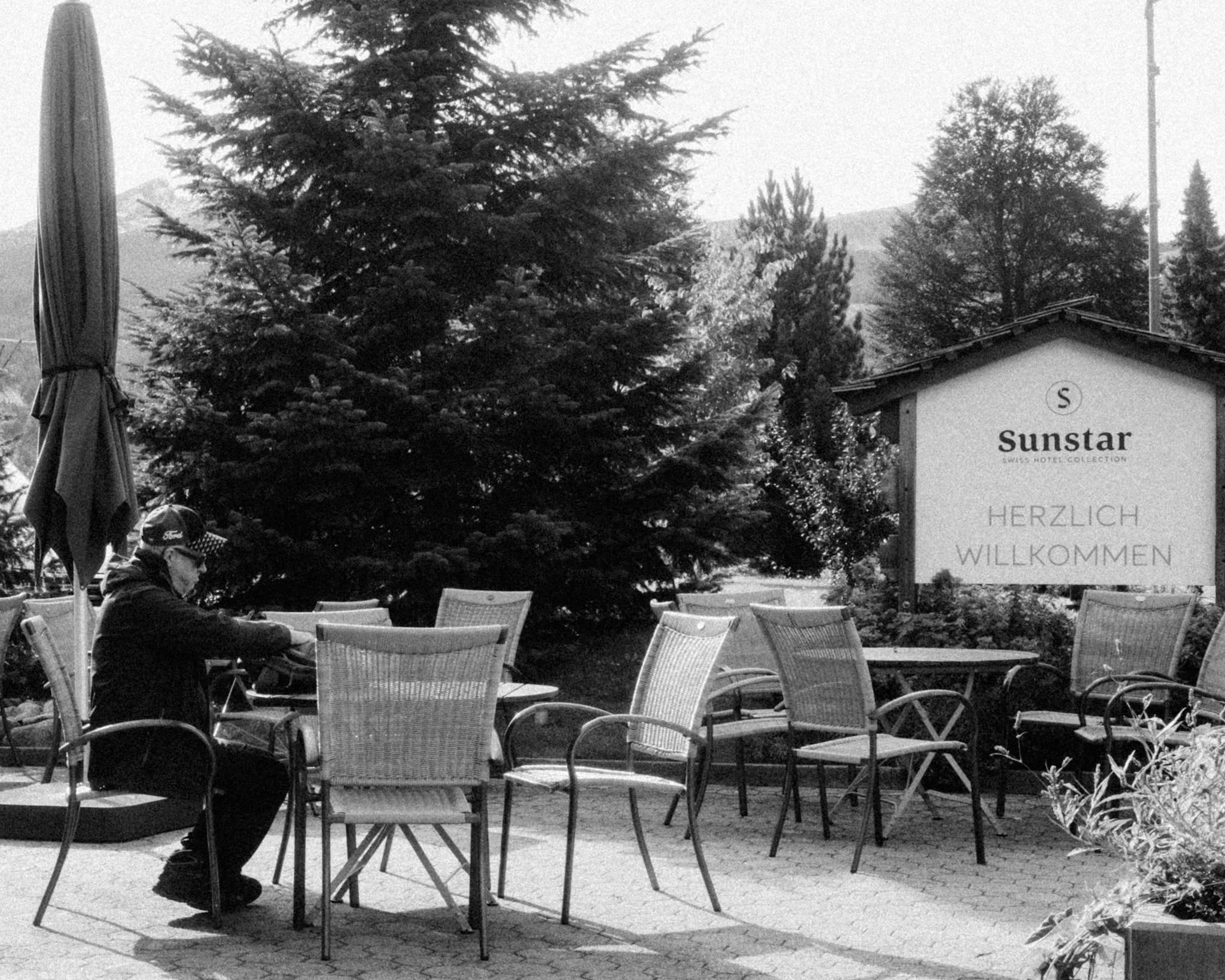
I’ve always liked the look of vintage photography—the kind that mostly comes from film cameras—the texture… the colors… the look I’ve been trying to recreate lately. I did a similar exploration before with VSCO, but now I use Adobe Lightroom.
It’s not easy yet. I still don’t grasp much about color editing. But I’m sure this sense sharpens with more practice—and feeding myself more references!
Then I made my first three vintage presets.
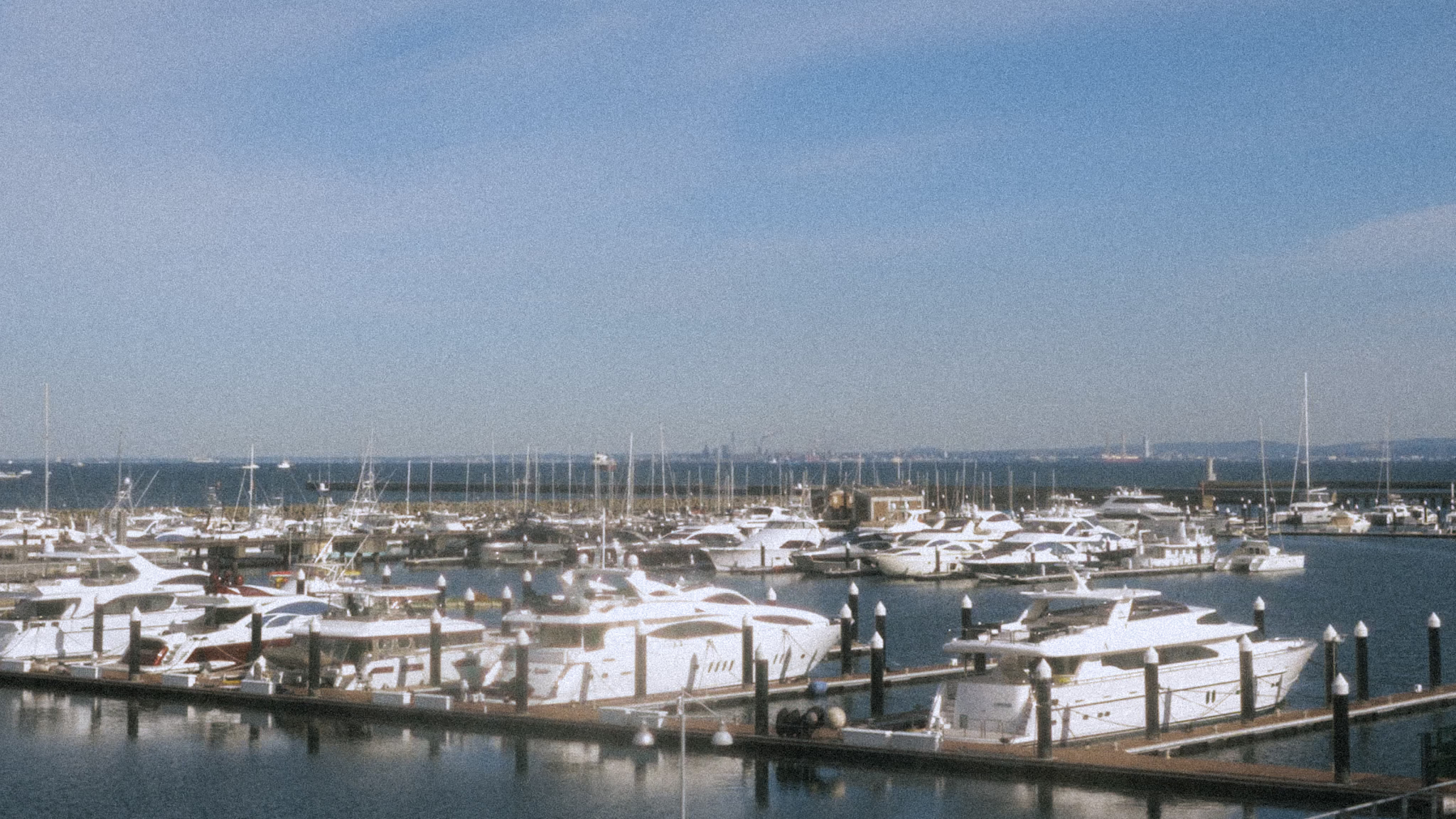
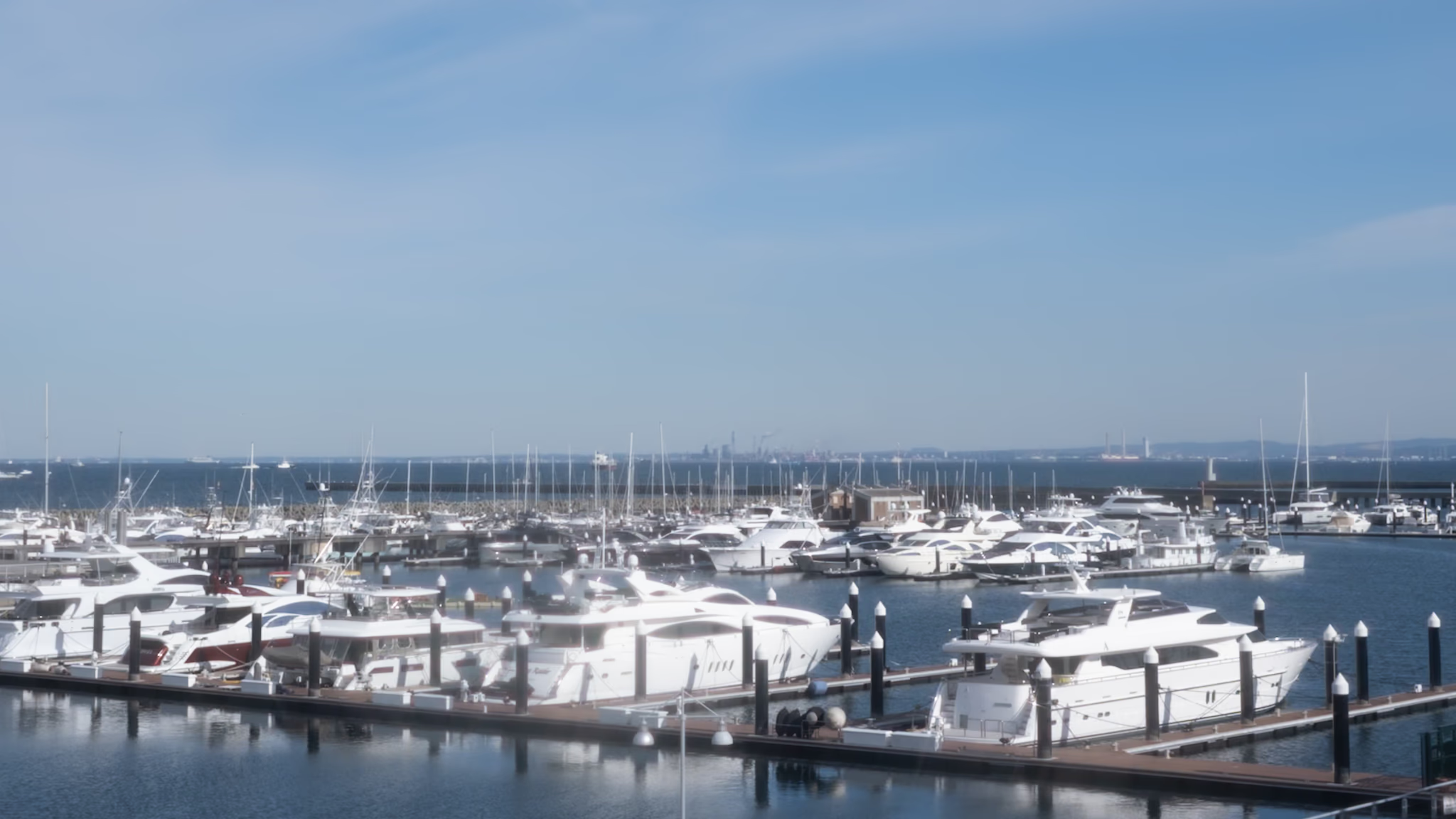
The first one is too yellowish—dull and washed out. But I’ll keep it and improve it. I feel like it could work for photos that need a warm nostalgic feel.
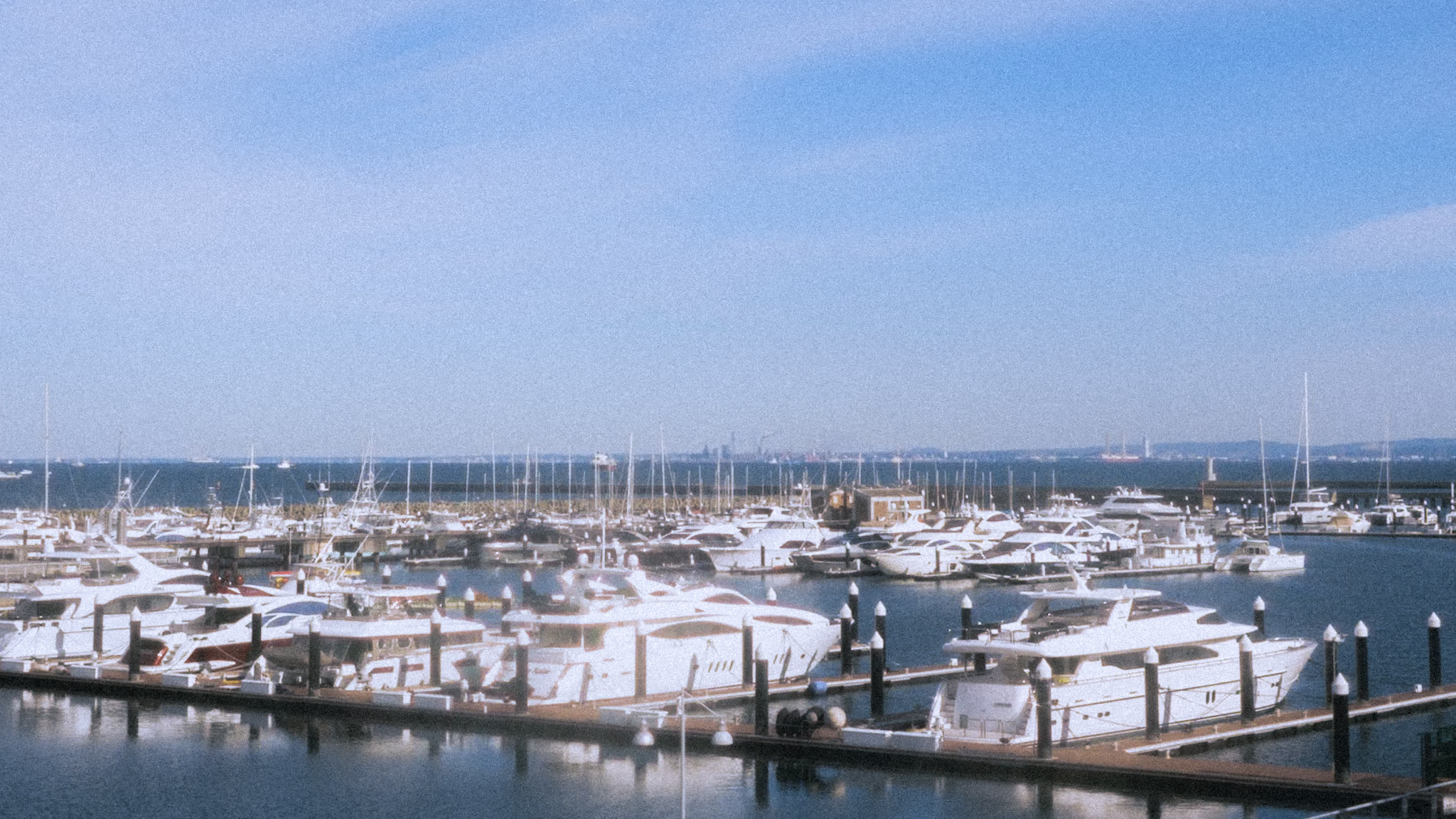
This one is an improvement over preset 1 with a cooler tone—more balanced. I’m okay with this one for now—I’ve tried it on other photos and it works well—though I’m still not satisfied.
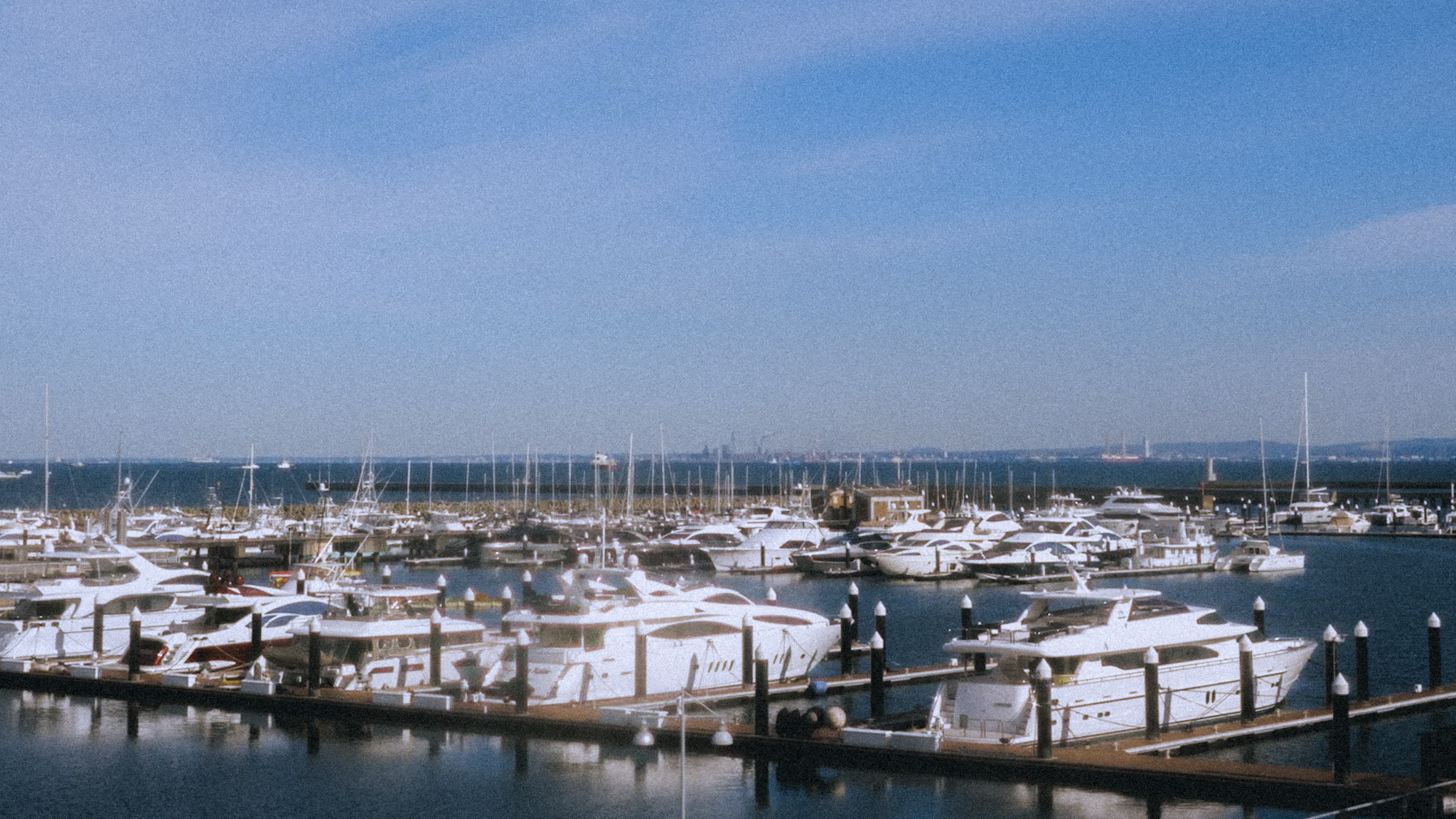
I like the colors on this one—it somehow works with this photo. The problem is it doesn’t quite work with other photos.
It’s kind of ironic using a digital camera but chasing the look of vintage photography. But I never wanted to own a film camera—rather recreate the look instead.
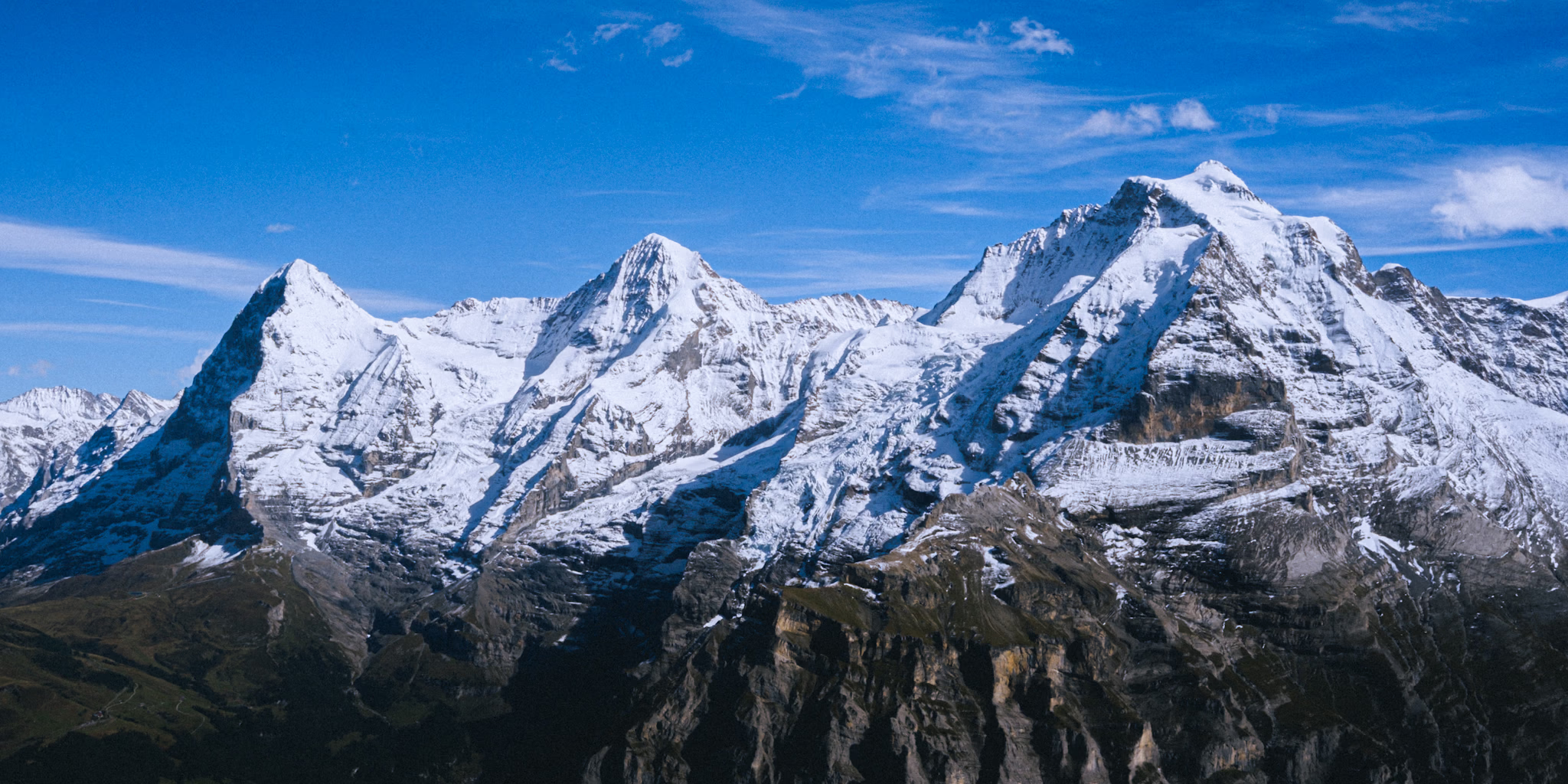
These are Eiger, Mönch, and Jungfrau. I took this shot at Birg right after lunch at Piz Gloria—the rotating restaurant on Schilthorn. I’m grateful to see them in person—though the scene itself didn’t really impress me—or perhaps it was the angle from where I stood. Funny that I found the lore behind them more interesting.
In German, Eiger means ogre, Mönch means monk, and Jungfrau means maiden. The monk stands between the ogre and the maiden to protect her. That’s how they’re positioned geographically—Mönch right between Eiger and Jungfrau.
I only knew Eiger as an outdoor gear brand in my country. Then, the day before I took this shot, I was playing mini golf with friends in Grindelwald and found out the mountain behind the course was Eiger.
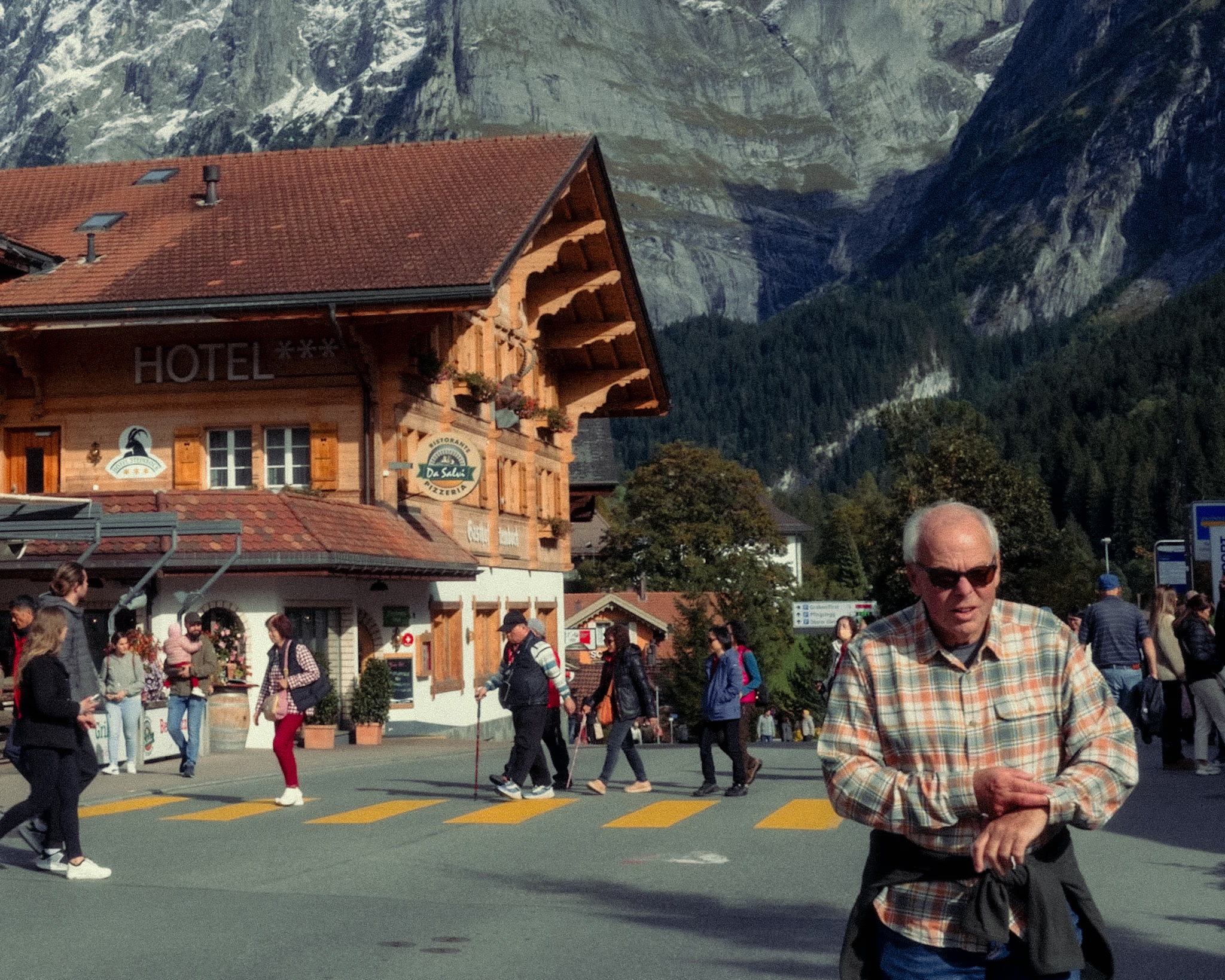
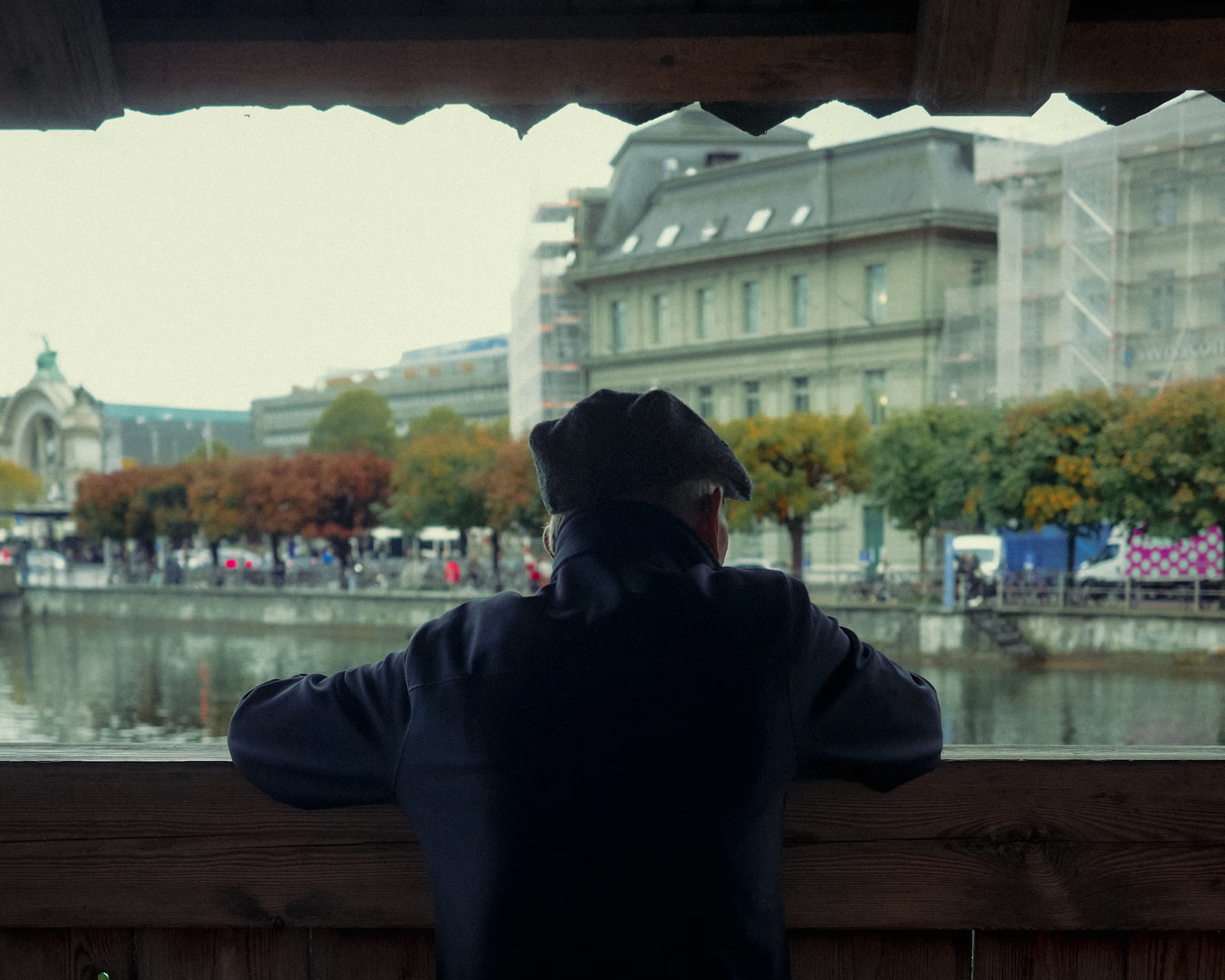
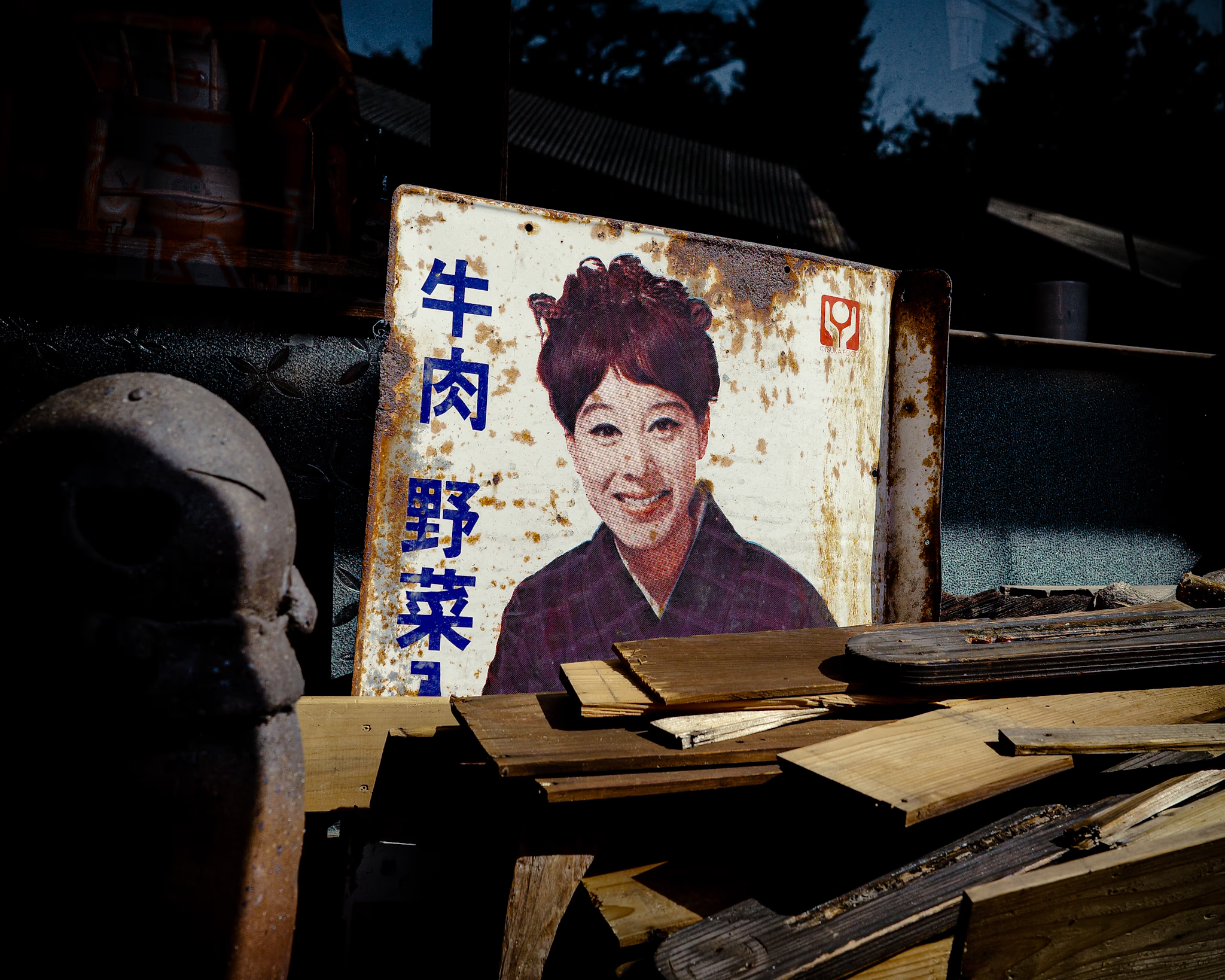
I took this shot a few years ago while walking around a pottery workshop in Tokoname, Aichi. The place was chaotic—scraps and random stuff everywhere—but this old signboard caught my eye. It stood out against the mess around it.
On reflection… something that stands out and catches my eye like this might be often around me—even right in front of me. But I somehow miss it. Perhaps because I’m moving quickly, my mind is elsewhere, or something like that.
What if I slow down a little—giving myself a moment to be present, unhurried, and open? Could I notice things like this more often?
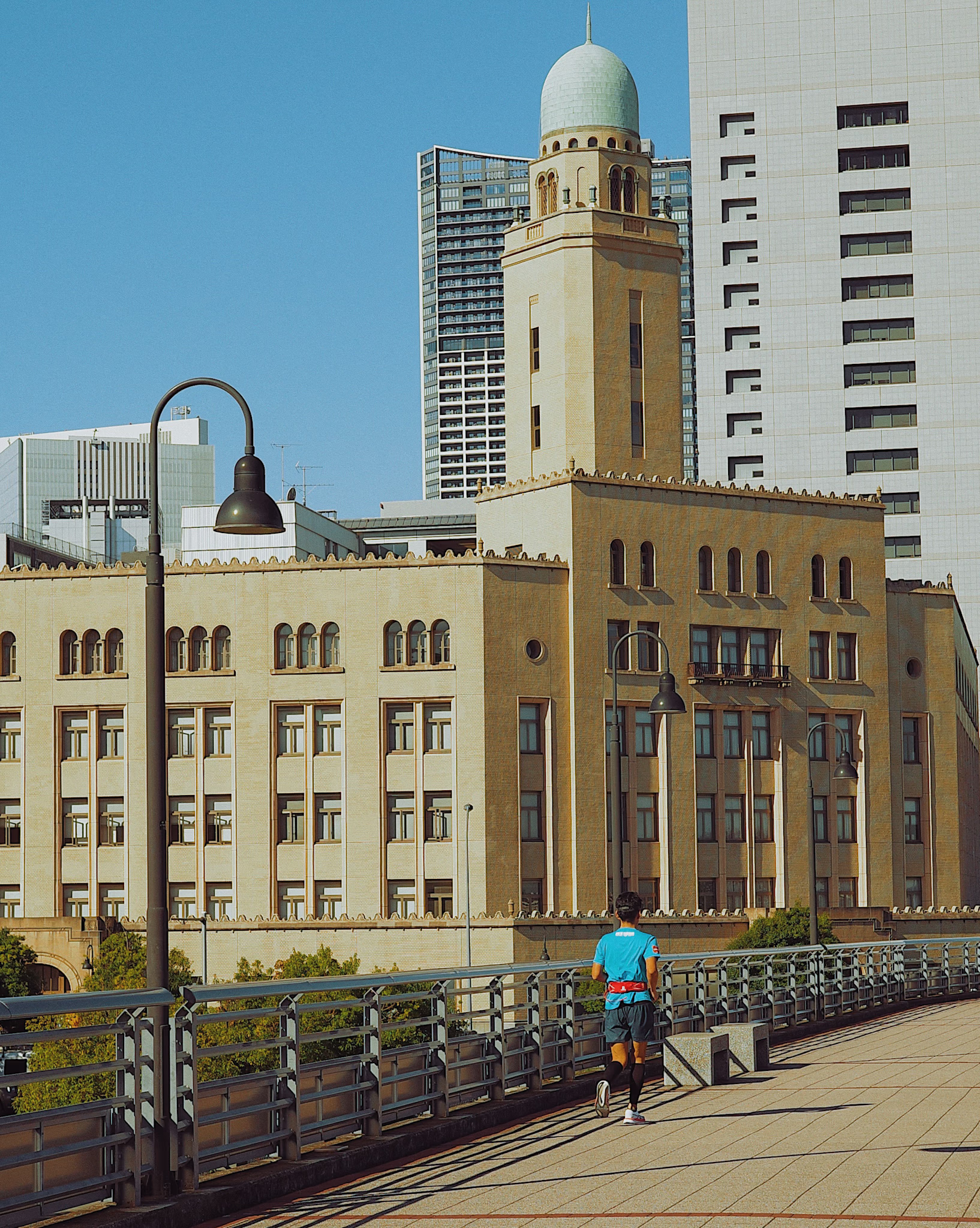
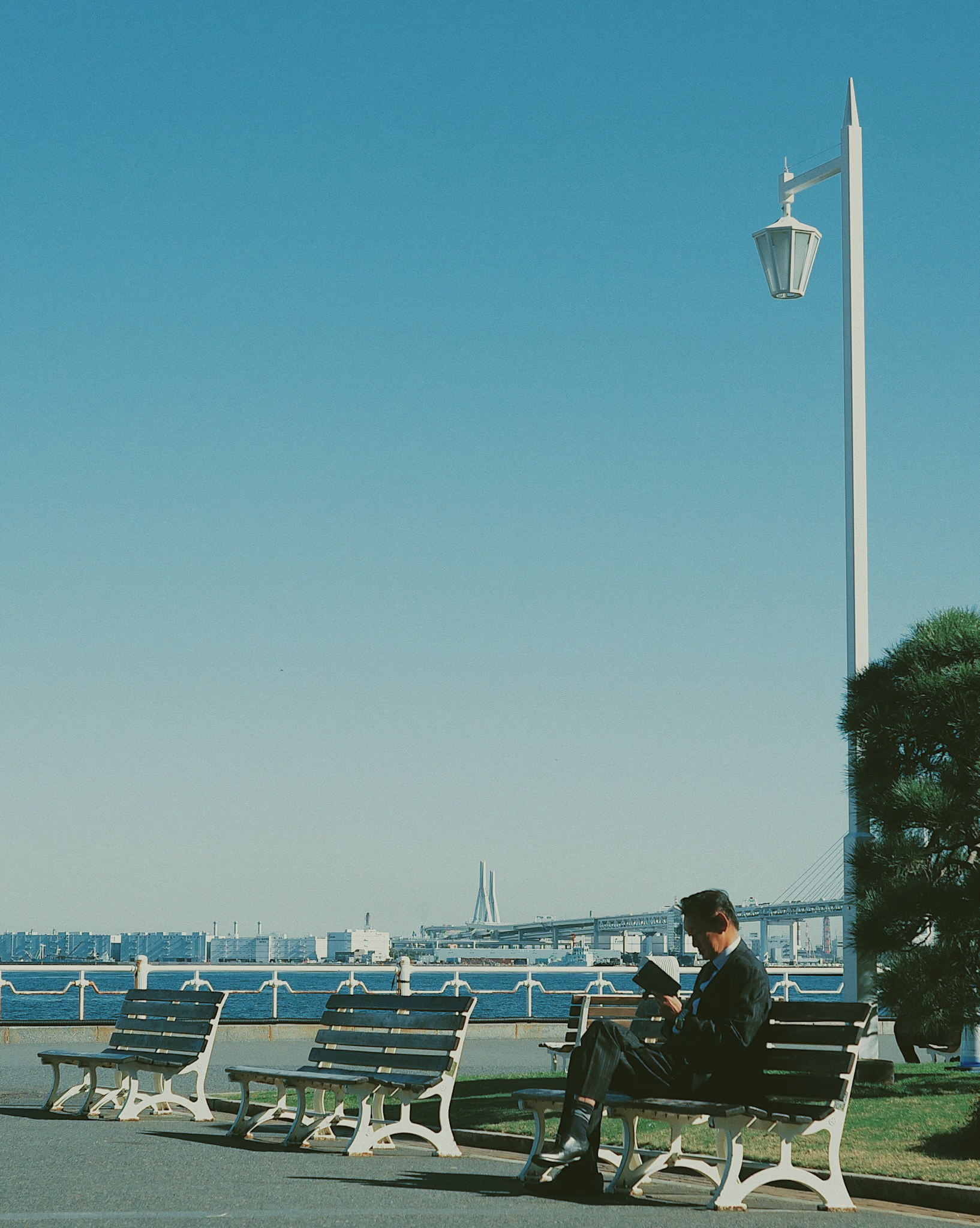
These were my first experimental shots while exploring my visual style. Inspired by the editorial aesthetic of 90s magazines—that soft, matte look often associated with film photography. I’ll call it vintage magazine here.
The main pattern I noticed in the vintage magazine style was low contrast—a matte effect where the shadows don’t go pitch black.
Unlike the typical vintage magazine pattern, I set the sharpness a bit higher here because I found it more appealing.
I’ve also added some grain—big fan of it. It makes the photos feel a bit old, but it fits the look I was going for.
I used VSCO for editing. At the time, I didn’t want to spend too much time on complex color grading.