Shinshu Apple Coffee | ||
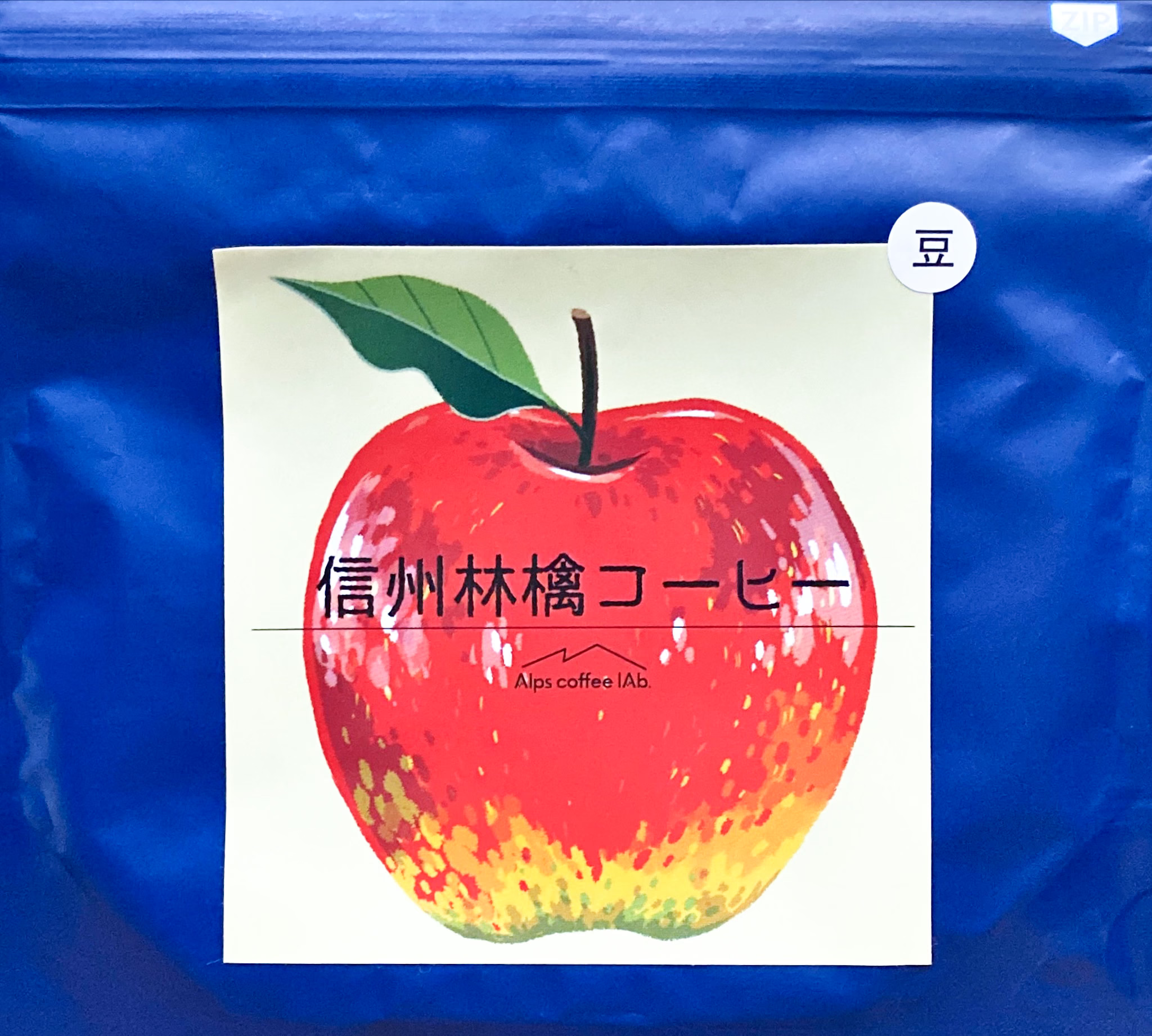 | origin | Brazil 🇧🇷 |
|---|---|---|
| producer | - | |
| roastery | Alps coffee lAb. | |
| process | Fruit Fermentation (Second Natural) | |
| notes | Shinshu apple | |
This was one of the coffees my partner brought me back from a family trip to Matsumoto. The bag had an apple picture with a Shinshu Apple Coffee label, and the back said the beans were fermented with Shinshu apples. So it’s apple coffee. When the bag was opened, there was no apple aroma at all. Unusual, because from what I know, co-fermented or infused coffees usually already have a noticeable aroma even before the beans are ground. After brewing it a few times, the apple aroma from this coffee was always subtle. Even swirling the server didn’t make the aroma any clearer or stronger. On the palate, the apple note was subtle too while drinking—the taste stayed consistent from the first sip to the finish—even when it cooled down a bit—but I felt the apple note was more noticeable in the aftertaste. The coffee had a light body, some sweetness, mild acidity, and very little bitterness. There was no complexity. Of course, I brewed this one as iced coffee too—it’s one of the checklists whenever I try new beans. When I made iced coffee, I usually brewed it stronger so it wouldn’t turn watery when the ice was added. This time—before adding the ice—I gave it a sniff and a sip while it was still strong. But the apple note was still subtle. I’ve tried fruit-fermented coffees where the fruit flavor was strong, and some tended to feel artificial. In contrast, this coffee’s fruit-fermentation aroma wasn’t strong, but it wasn’t bad. In fact, it felt just right and was enjoyable—something I could drink every day. The subtle apple note made me wonder if that was intentional—did they use only a little juice, or did the Brazilian beans’ stronger character make the apple less noticeable? I checked the roastery’s website, but I couldn’t find an answer. But I found an interesting fact that the beans are soaked in juice from Shinshu apples that wouldn’t normally make it to market, as part of the roastery’s effort to reduce food waste—something I think is a good initiative. All in all, it’s always nice to know what happens behind the scenes in coffee production—hulu ke hilir—it makes me respect and appreciate the beans more. | ||
